Thermal management means cost, complexity and aux power consumption for battery storage projects.
Why it matters: Stop paying to cool your batteries; every watt spent on HVAC is a watt you can't sell to the grid.
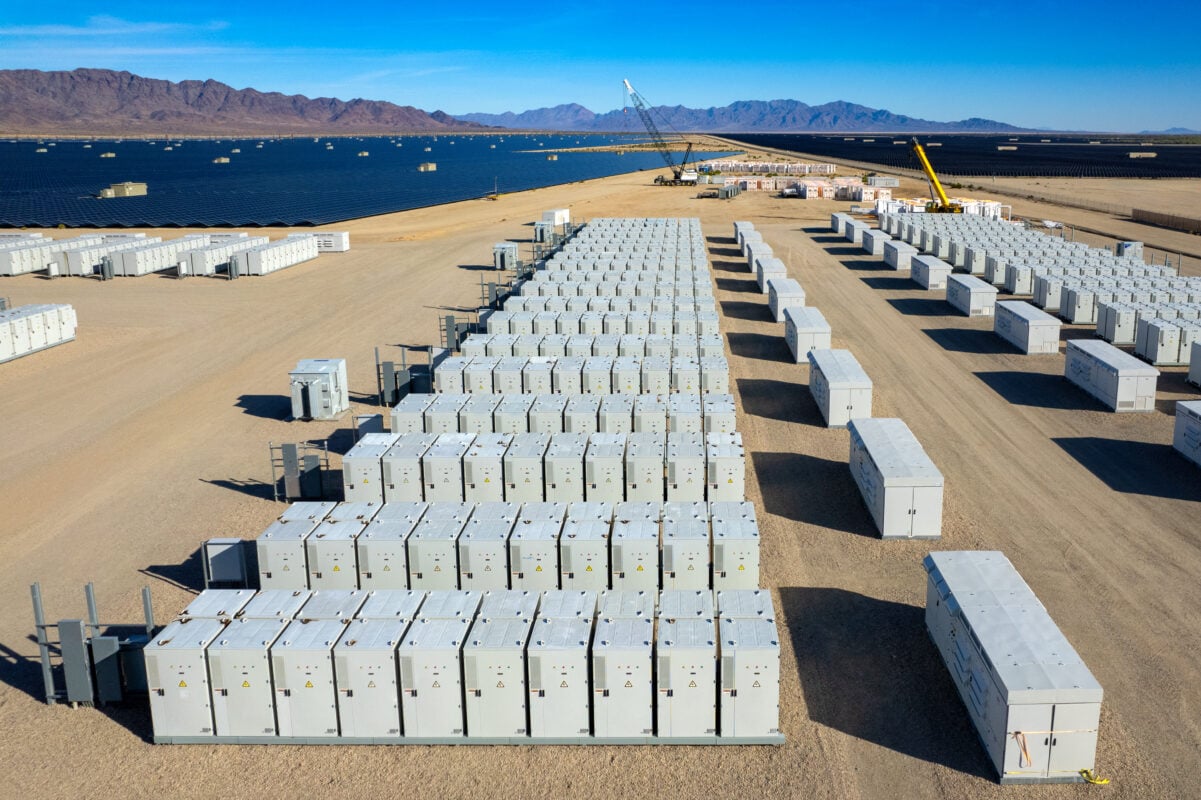
Thermal management means cost, complexity and aux power consumption for battery storage projects.
The Hidden Parasitic Tax
We’ve spent the last five years obsessed with chasing energy density, but we’ve ignored the silent profit-killer: auxiliary load. In our climate, from the scorching summers in Seville to the humid damp of the Ruhr, the HVAC systems required to keep LFP cells in their 'happy place' are eating your project’s IRR alive. If your BESS project is burning 5% of its round-trip efficiency just keeping the internal temperature stable, you aren’t running an energy asset; you’re running a glorified freezer.
Why 'Thermally Passive' isn't just Marketing
Moving toward thermally passive or high-ambient-tolerance BESS isn't just about 'going green'—it’s about eliminating the single most common failure point in the field. When I walk a site, the first thing I look at isn't the inverter brand; it’s the maintenance log for the cooling units. HVAC failure is the #1 cause of unscheduled downtime in C&I storage.
Stop buying BESS based solely on the upfront cost per kWh. Start auditing the parasitic load curves. If your battery needs a dedicated climate control system just to survive the weekend, you’ve already lost the argument against a well-designed PV+H2 or long-duration thermal storage competitor.