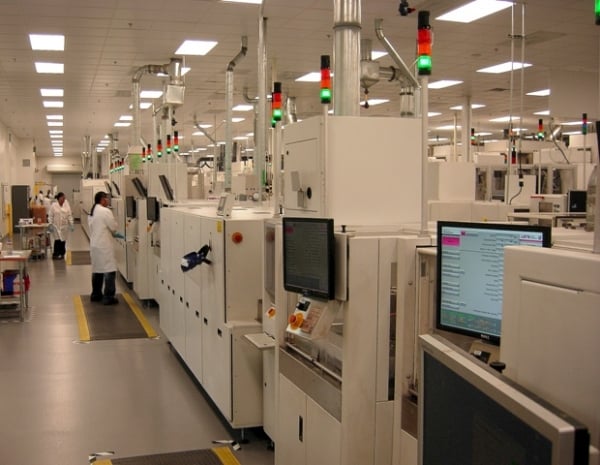
US-based PV manufacturer Suniva is to open a new solar cell manufacturing facility in Laurens, South Carolina.
Why it matters: As the US ringfences its supply chain, expect global module prices to stay sticky; lock in your inventory now or suffer the volatility.
The Protectionism Trap
If you think a 5.5GW cell plant in South Carolina is 'good news for the global market,' you’re missing the point. For an installer in Munich or a developer in Madrid, this is just another brick in the wall of global trade fragmentation. When the US pulls 5.5GW of capacity out of the global ecosystem and cages it behind the Inflation Reduction Act (IRA), the ripple effect hits our margins directly.
The Hidden Cost of 'Local'
Don't be fooled by the 'energy independence' rhetoric. For a European installer, this is a signal to stop expecting price drops in 2025. When the world’s largest market starts hoarding production capacity, your procurement strategy needs to pivot from 'lowest price' to 'guaranteed availability.' If you aren't already hedging your module contracts for Q3 and Q4, this news should be your wake-up call. The era of cheap, globalized PV components is officially hitting a geopolitical ceiling.