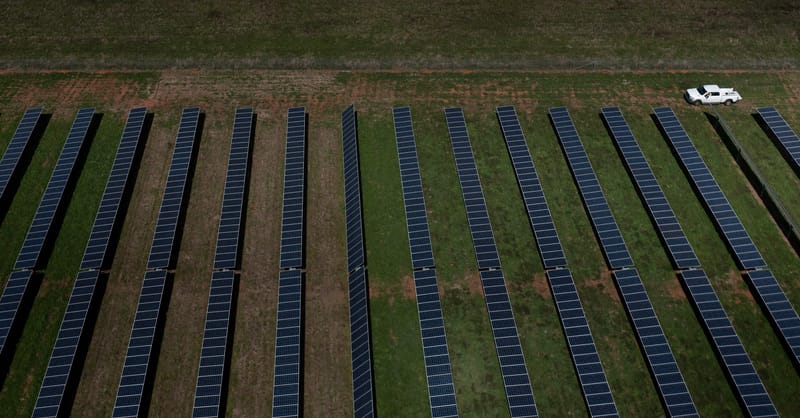
After years of negotiations, data centers and other large customers of Georgia Power have finally won a pathway to pay for their own new clean energy projects to be built and connected to the utility’s grid.
Why it matters: Data centers are rewriting grid access rules; if you aren't selling energy autonomy and storage, your C&I clients will be squeezed out by corporate giants.
The Corporate Captive Grid
What’s happening in Georgia isn't a localized utility quirk; it is a preview of the inevitable struggle for grid supremacy across the EU. When tech giants like Microsoft or AWS decide they need 500MW of 24/7 uptime, they stop waiting for municipal grid upgrades and start buying the capacity themselves.
The Margin Squeeze for EU Installers
In Germany or the Netherlands, the grid bottleneck is the primary killer of C&I projects. If our utilities follow the Georgia model—allowing deep-pocketed corporate off-takers to fund 'private' connections—we face a bifurcated market:
If you're an installer in the DACH region, start paying attention to the Grid Connection Ordinance (NAV) updates. When corporations start bypassing standard grid queue processes, the cost of grid balancing will inevitably be socialized onto the remaining commercial customers. You need to stop pitching 'ROI based on net-metering' and start pitching 'ROI based on behind-the-meter autonomy.' If your client isn't talking about integrated BESS with peak-shaving, they are already obsolete. The Georgia news is a warning: the grid is no longer a public utility; it’s an asset class, and you’re currently on the outside looking in.