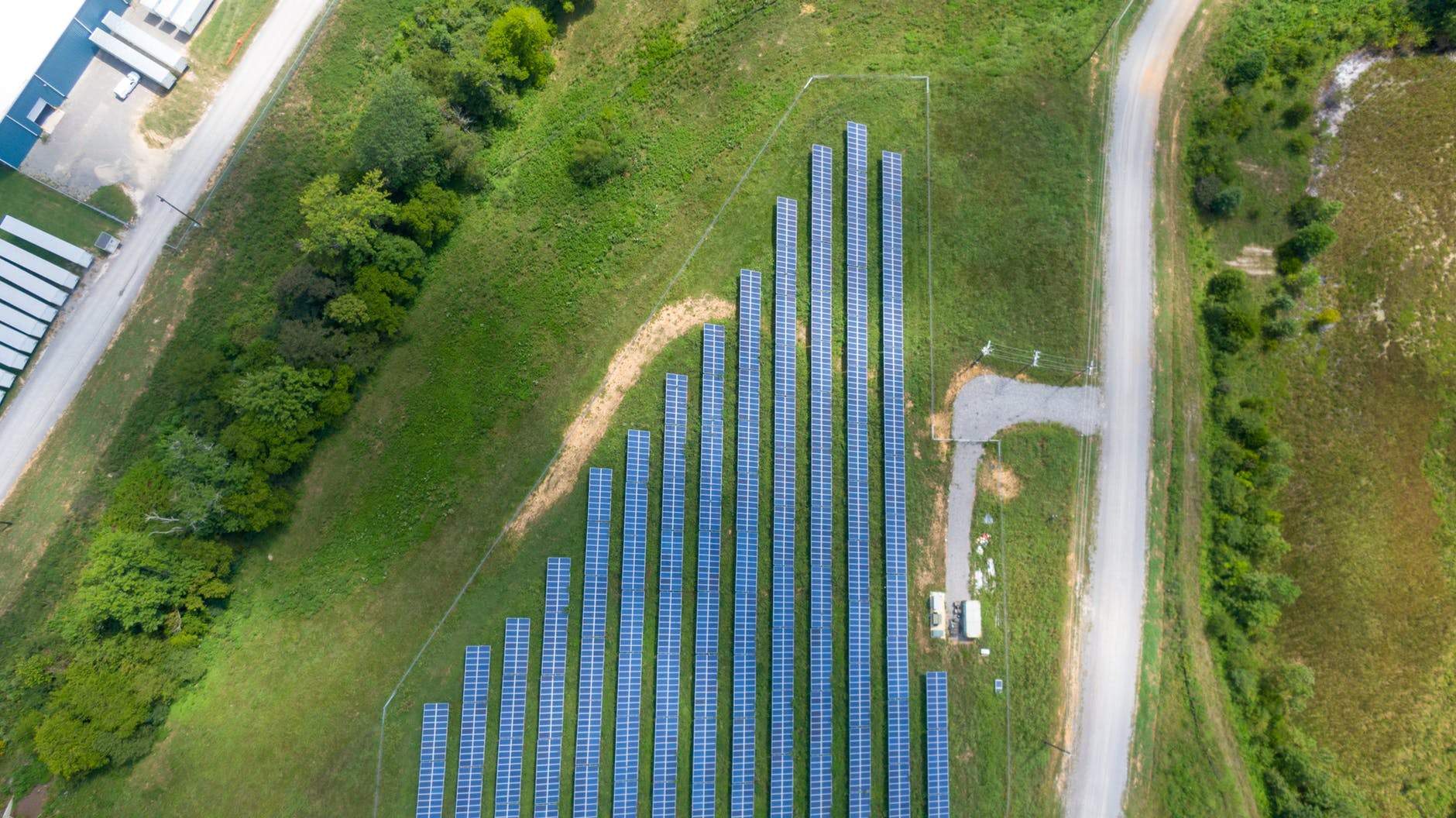
The EBRD is providing a US$ 65 million loan to HAU Energy for a 200 MW solar power plant in Egypt's Benban.
Why it matters: Global demand for BESS from utility-scale projects like this will squeeze your supply chain and inflate costs for your next C&I installation.
The Middle East is exporting more than just sunshine
At first glance, a $65 million loan for a project in Benban feels like a distant headline for a European installer knee-deep in heat pump integration or residential rooftop permitting in Bavaria. But look closer at the 200 MW + BESS configuration. The EBRD isn't just financing panels; they are financing the inevitable grid-balancing future that Europe is currently stumbling into with much higher labor costs and regulatory friction.
The Supply Chain Squeeze
Why does a project in Aswan matter to an installer in Madrid or Lyon? Because of the BESS hardware appetite. As global financiers like the EBRD push for integrated storage to solve intermittency, they are hoovering up Tier-1 lithium-ion supply chains. When the MENA region scales these 200MW+ projects, the Tier-1 OEMs (think Sungrow, Huawei, or BYD) prioritize large-scale utility procurement over the fragmented European C&I market. If you think getting a 100kWh container unit is hard now, wait until massive projects in the Global South command the majority of the allocation.
What this means for your C&I business:
The writing is on the wall: utility-scale solar in emerging markets is now a storage-first game. If your local proposal doesn't include a robust, bankable BESS strategy, your client will look at the efficiency of these international projects and realize they are getting a decade-old technology solution.