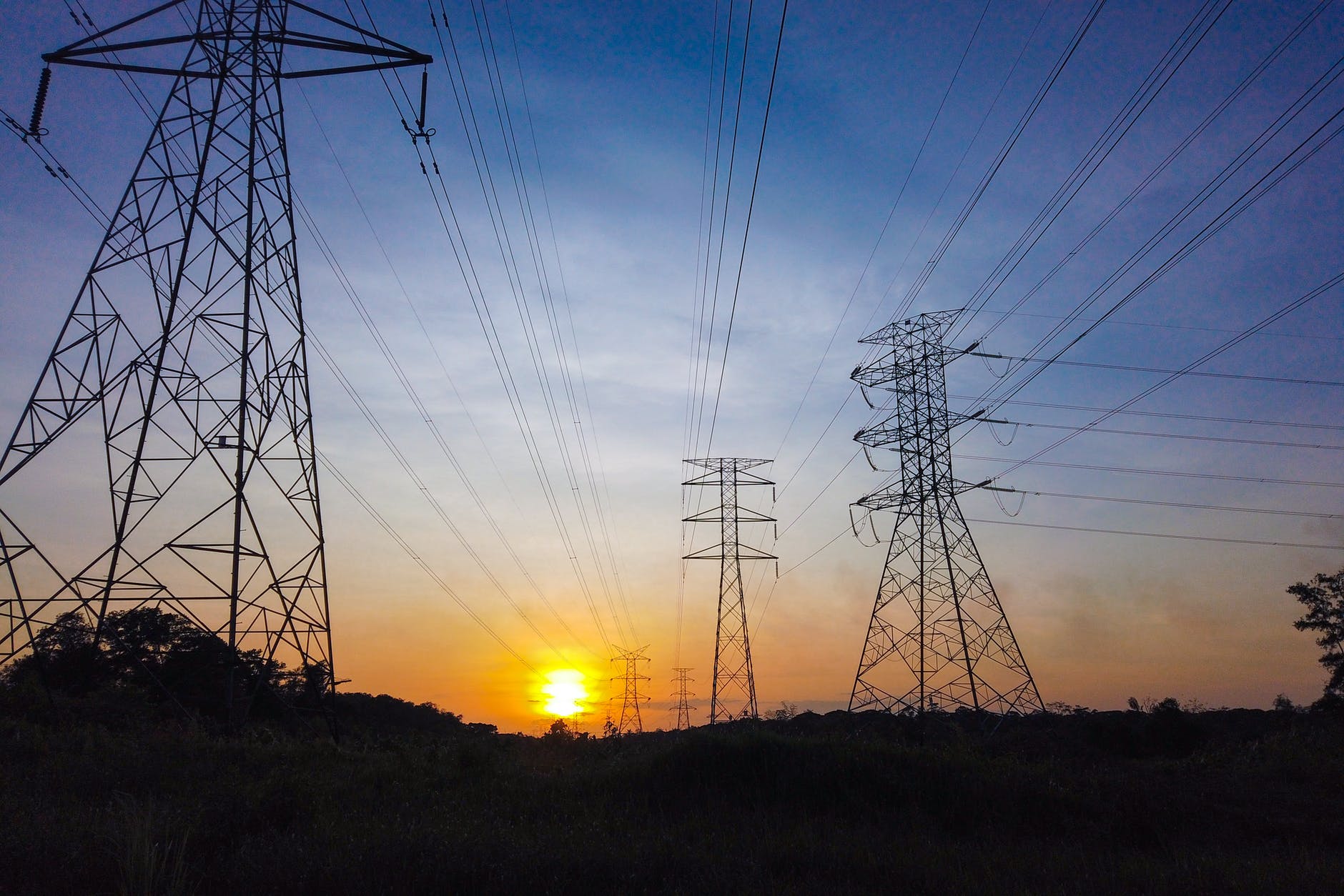
Power Finance Corporation Limited (PFC) has formed four wholly owned subsidiaries to enhance India's power transmission infrastructure: Babai Transmission Limited, Bikaner Transmission Limited, Humnabad Power Transmission Limited, and Hebbani Power Transmission Limited.
Why it matters: Grid constraints are killing your margins; if you don't map local capacity before signing a project, you're just paying for free options you can't build.
Look, I’ll be blunt: unless you’re an EPC lead with a massive utility-scale order book in Rajasthan, this news is irrelevant to your daily grind in Düsseldorf or Lisbon. It’s a standard bureaucratic shuffle from India’s Power Finance Corporation. But there is a lesson here for every European installer and developer currently complaining about connection queues.
The Infrastructure Paradox
India is using Special Purpose Vehicles (SPVs) to ringfence transmission risk and accelerate project finance. It’s a classic, effective play to isolate the grid-build from the generation-build. In Europe, we are doing the exact opposite—we’re trying to force DSOs and TSOs to absorb massive, decentralized loads while under-investing in the underlying hardware. When you wait 18 months for a transformer upgrade in the Netherlands, you are feeling the absence of this kind of dedicated, aggressive infrastructure finance.
What You Should Actually Watch
Focus on your local grid constraints—if you aren't building a relationship with your DSO’s planning department, you’re not an installer; you’re a gambler.