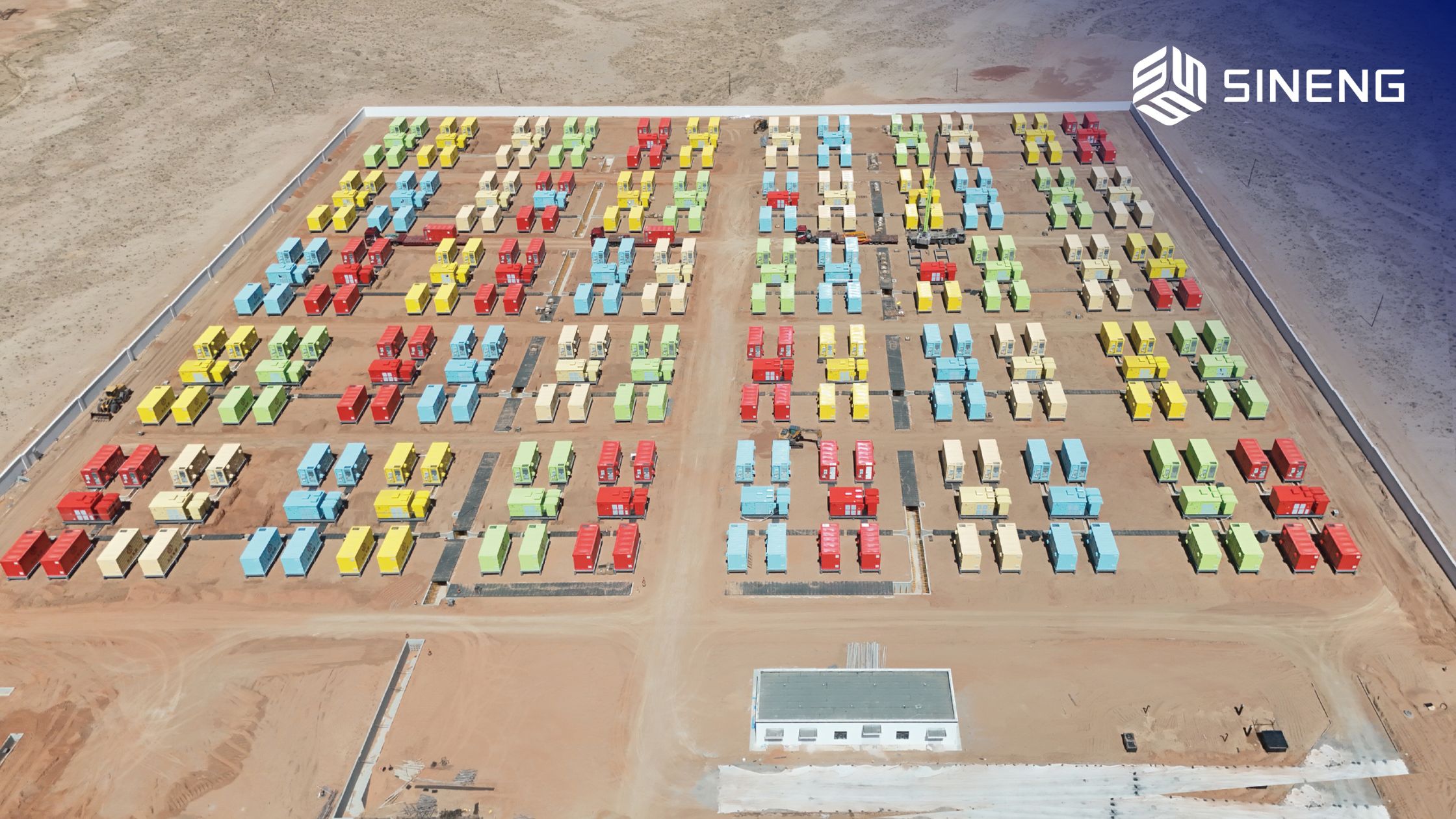
A 300 MW / 1,200 MWh energy storage project by Sineng Electric is now operational in northwest China, enhancing renewable energy integration and grid stability.
Why it matters: Sineng’s massive scale proves that hardware costs are plummeting; if your storage procurement strategy isn't evolving, you're pricing yourself out.
The Scale is the Story
If you think a 300 MW/1.2 GWh project in Zhangye is just 'another Chinese BESS deployment,' you’re missing the signal. While we in Europe get bogged down in permitting red tape for 5 MW community storage projects, Sineng is stress-testing hardware at a utility-scale level that dwarfs almost anything currently operating in Germany or Spain.
Why European Integrators Should Care
Sineng is rapidly evolving from a niche inverter player to a vertical powerhouse. When they hit these economies of scale, the cost-per-kWh of their BESS solutions drops to levels that European competitors simply cannot match. For an installer in Bavaria or a developer in Poland, this is a precursor to a massive, low-cost equipment influx. If you’re currently locked into a supply contract with a legacy EU or US inverter brand, start asking about their 2026/2027 roadmap for modular storage pricing. If they don't have an answer, they're preparing to be undersold by 20-30%.
The Technical Reality Check
Bottom line: Sineng’s move isn't about China; it’s about the inevitable commoditization of BESS hardware. Adjust your margins accordingly.