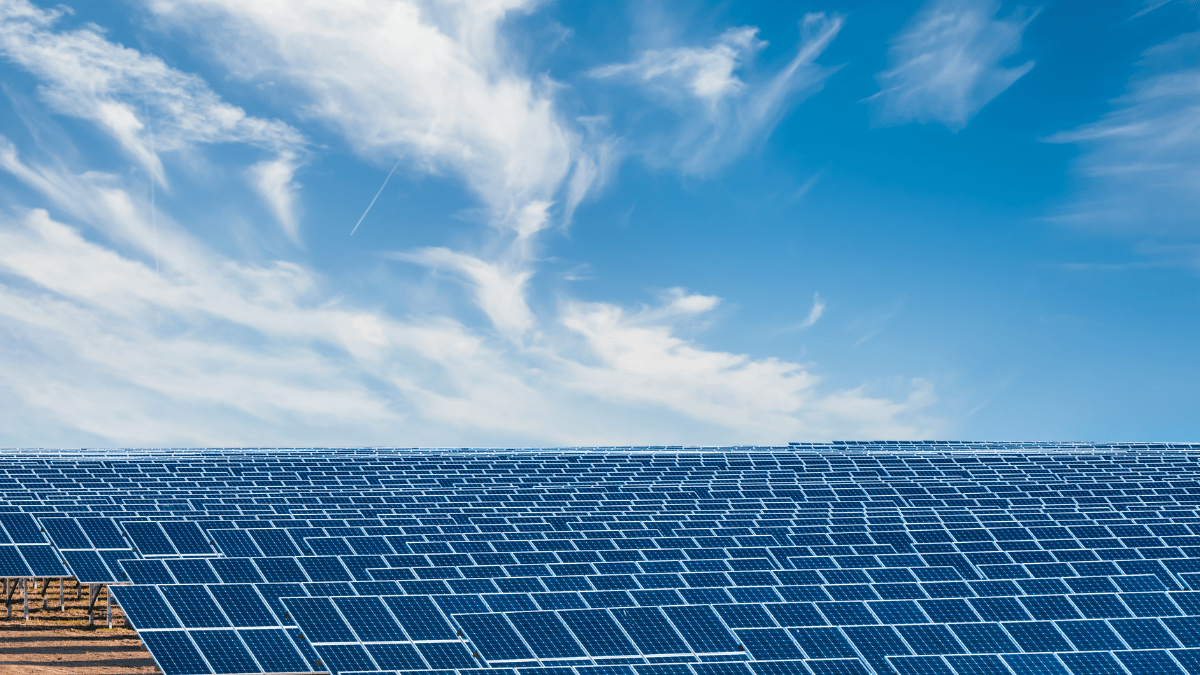
Vikram Solar has achieved a major milestone of 10 GW in cumulative solar module deployments, doubling its installations in two years.
Why it matters: Global capacity is up, but unless they have local EU support and bankable warranties, they aren't changing your procurement strategy.
The India-to-EU Pipeline is Still Mostly Theoretical
Let’s be honest: Vikram Solar hitting 10 GW is a fantastic win for the Indian manufacturing sector, but for a German EPC or a Dutch residential installer, it’s mostly noise. We are currently drowning in oversupply from China, with Tier-1 bifacial modules trading at prices that barely cover the cost of logistics. Does another 10 GW player in the East help you? Only if they can circumvent the current EU trade barriers and offer a bankability profile that isn't just 'cheap.'
The Real Test is Bankability
Europe’s utility-scale developers are notoriously gun-shy. Unless a manufacturer has a proven track record of handling warranty claims in the harsh climate of Northern Europe—or has the balance sheet to support 25-year performance guarantees under strict European legal frameworks—they remain a niche player. Achieving 10 GW globally is the easy part; surviving a single winter in the Baltic with zero degradation issues is the real litmus test.
The Supply Chain Reality Check
Don't get distracted by the vanity metrics of gigawatt capacity. Keep your eyes on the European Solar Charter requirements and which manufacturers are actually investing in local warehouse support and technical training centers in the EU. Until Vikram or any other non-EU player sets up a local footprint that matches their global marketing, they are just another line item on a spreadsheet you’ll likely skip over for Jinko or Trina.