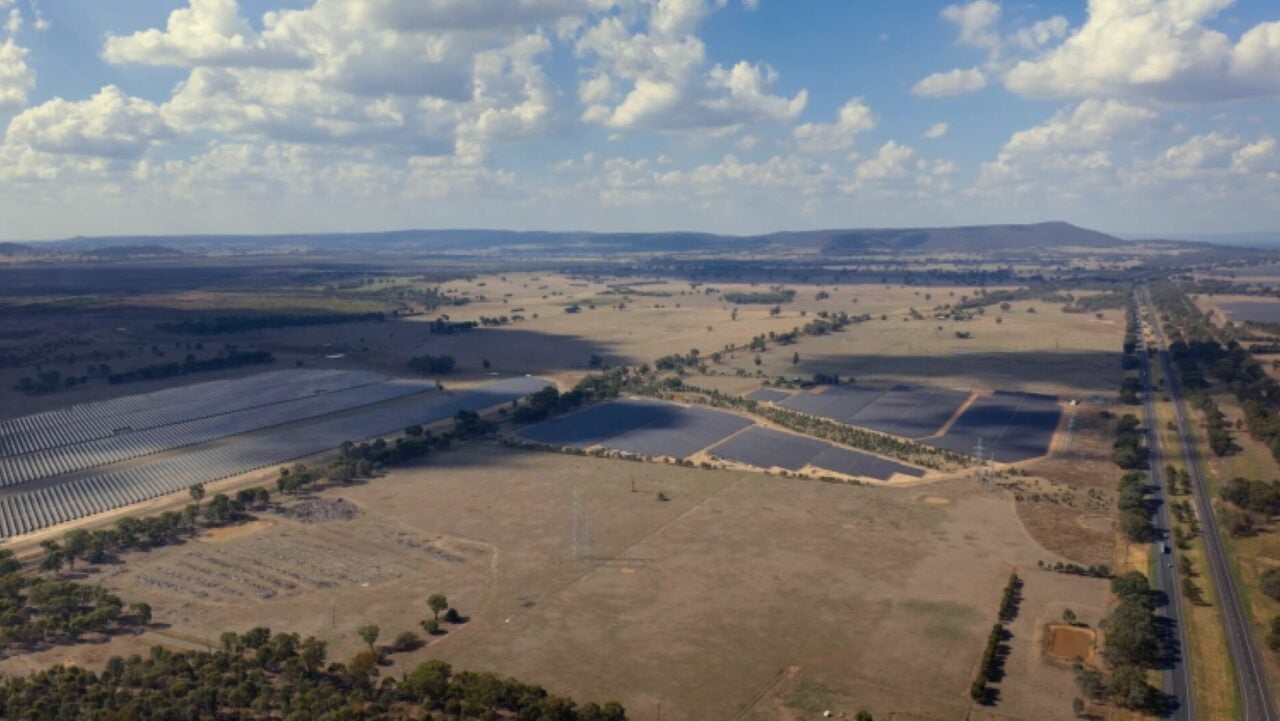
Amazon has announced nine new renewable energy PPAs in Australia totalling 430MW of capacity, eight of which include co-located BESS.
Why it matters: Amazon is mandating storage for its PPAs; if your C&I proposal doesn't include BESS, you're not even in the conversation for major corporate clients.
The Hyperscaler Playbook Isn't Just for Down Under
Don't be fooled by the geography. When a behemoth like Amazon forces BESS into 8 out of 9 PPA contracts, they aren't just chasing green PR. They are solving the intermittency trap that is currently gutting the merchant revenue models of every solar developer in Europe. If you are building C&I projects across Germany or Spain, take notes: the 'solar-only' era is closing.
Why Your Current Margin Math is Dead
Consider the recent volatility in the DAX-area intraday markets. When negative pricing events hit, your standalone PV asset is effectively a liability. By forcing storage into the PPA, Amazon is de-risking their energy procurement. For the European installer, this means the 'Battery-Ready' upsell is no longer a luxury—it’s the barrier to entry. If you aren't integrating Sungrow or SMA containerized solutions into your commercial proposals today, you are leaving the most profitable slice of the project value chain on the table.
The Reality Check
We’ve seen this movie before. The shift from pure PV to solar-plus-storage mirrors the transition we saw in the Dutch and UK markets circa 2021. The difference? The scale. Amazon’s move dictates that the next generation of C&I off-takers will demand 'firm' renewable power. You need to stop selling kilowatt-hours and start selling 24/7 reliability. If you can’t model the ROI on a 2-hour discharge profile against local grid fees, your competitors—who are currently hiring battery engineers—will eat your lunch. The technology isn't the problem; your ability to explain the avoided cost of grid dependency to a CFO is.