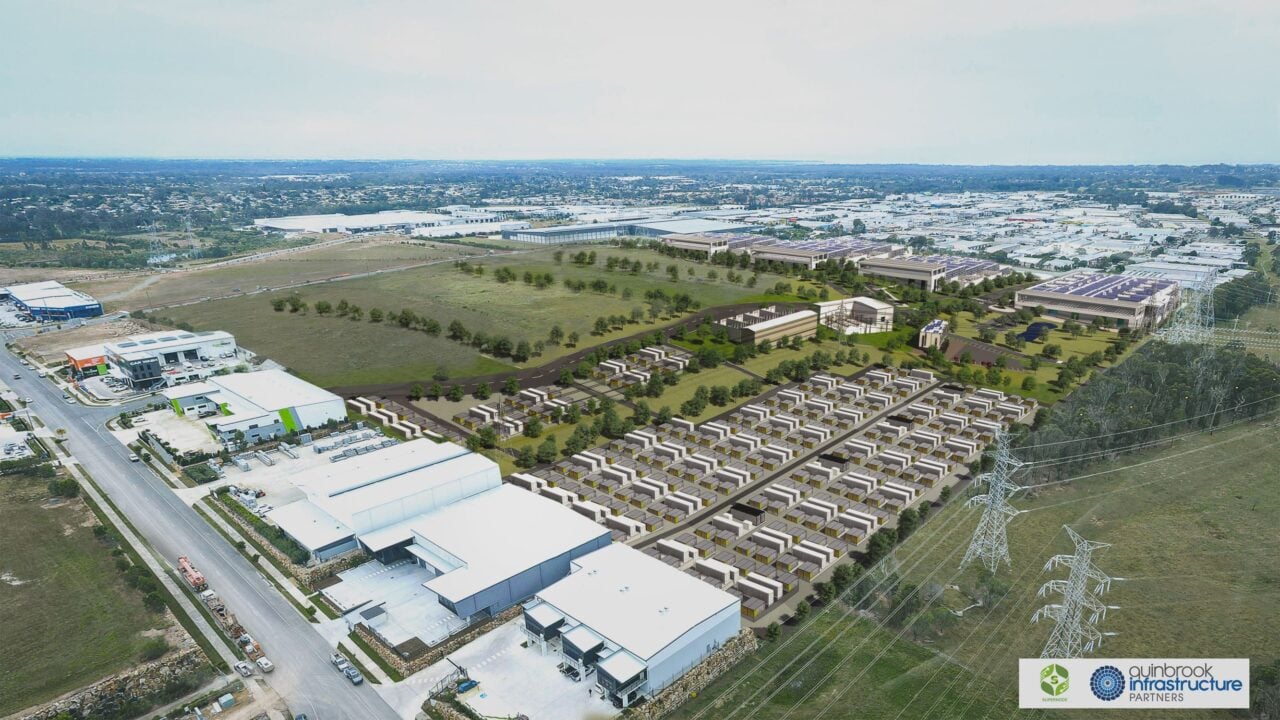
It’s going to massively scale here. We are seeing a massive acceleration of data center deployment, and those data centers are going to need behind-the-meter or front-of-meter storage solutions to bridge the gap between their energy requirements and the grid’s capacity.
Why it matters: Data center power demand is breaking grids; installers who can deliver BESS-integrated energy buffers will capture the hyperscaler premium.
The AI Power Grab is Your Next Revenue Stream
If you think the data center boom is just a headache for grid operators, you’re missing the boat. When a hyperscaler like Microsoft or AWS drops a 500MW site into a region, the local grid infrastructure hits a wall faster than a cheap string inverter in a heatwave. Fluence is betting on this, but you don't need a massive utility-scale team to catch the spillover.
The Opportunity for the Mid-Market:Forget the residential battery market for a moment. The real money in 2025 will be in 'power-constrained' zones where local industrial parks are trying to facilitate a small-scale server farm. If you can integrate a 2MW BESS with an existing PV array to flatten the data center's draw during peak grid hours, you’ve just moved from being a 'solar installer' to an 'energy infrastructure partner.' That’s how you exit the race to the bottom on margins.