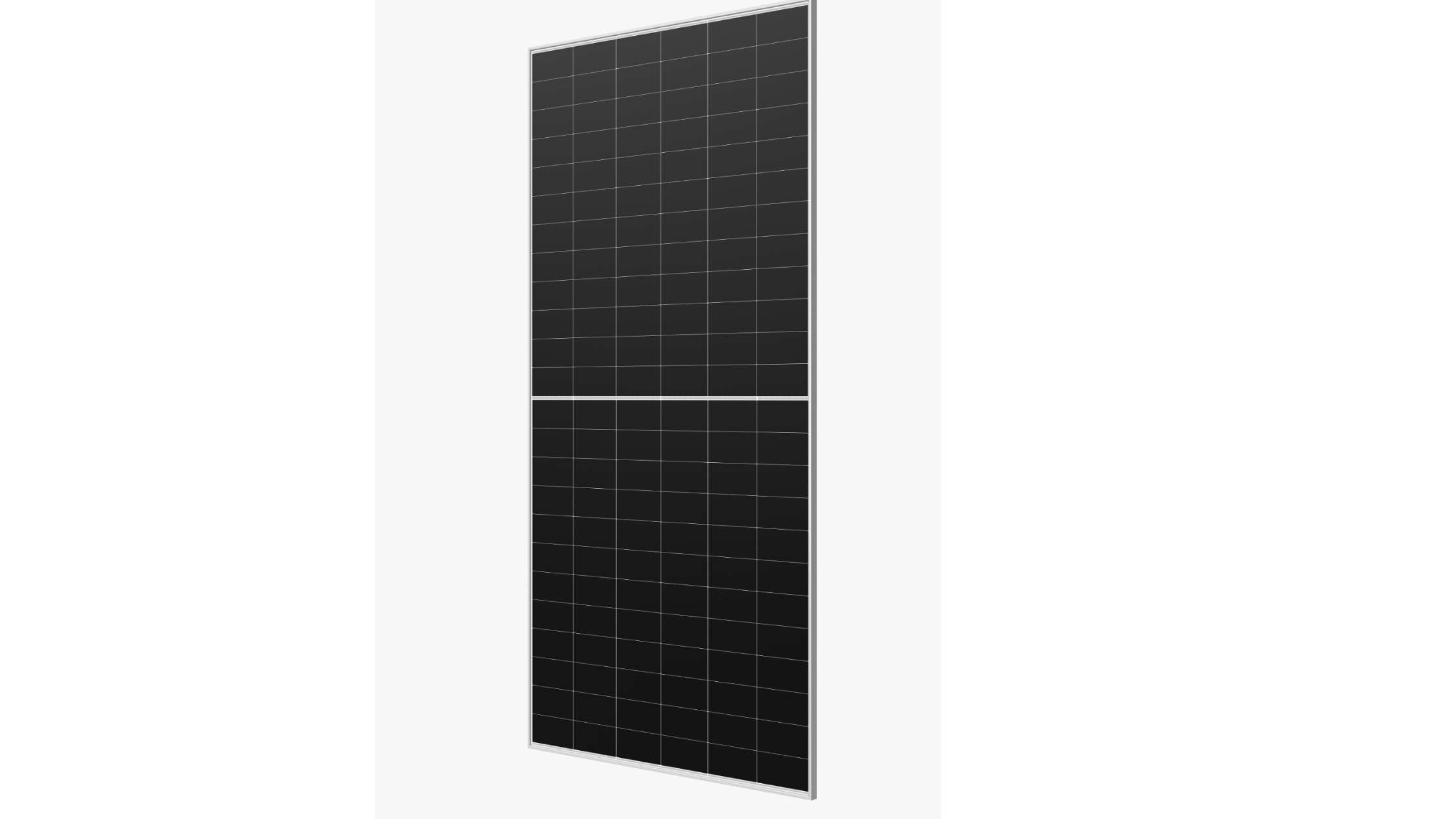
LONGi has launched the Hi-MO 9 HydroClear, a high-efficiency solar module aimed at utility-scale and distributed applications. It achieves up to 24.8% efficiency with advanced cell technology, an innovative anti-dust feature, and a robust dual-glass structure.
Why it matters: Don't bake 'self-cleaning' savings into your ROI model until you've verified the coating's real-world durability against standard cleaning protocols.
Let’s cut through the marketing fluff. LONGi is pushing the Hi-MO 9 with a 24.8% efficiency claim and this new 'HydroClear' anti-dust coating. For an installer in Germany or the Netherlands, the immediate question shouldn't be about the efficiency spike—we know the race to 25% is effectively a commodity game now. The real question is: does this hydrophobic layer actually survive a Baltic winter or the abrasive cleaning brushes used by O&M contractors in the Andalusian desert?
The O&M Reality Check
Anti-soiling coatings are notoriously fragile. We’ve seen 'self-cleaning' glass before—usually, it’s just a hydrophilic layer that degrades within 24 months of exposure to high UV and local pollutants. If you’re bidding on a 50MW utility-scale project in Spain, you need to ask LONGi for accelerated degradation data on that specific coating. If it wears off after two years, you’ve paid a premium for a standard glass module that’s now just a standard module.
Why This Matters for Your Bottom Line
LONGi is a beast in the R&D lab, but until I see a field-aged pilot project from a site with high salt or dust content, treat 'HydroClear' as a nice-to-have, not a game-changer.