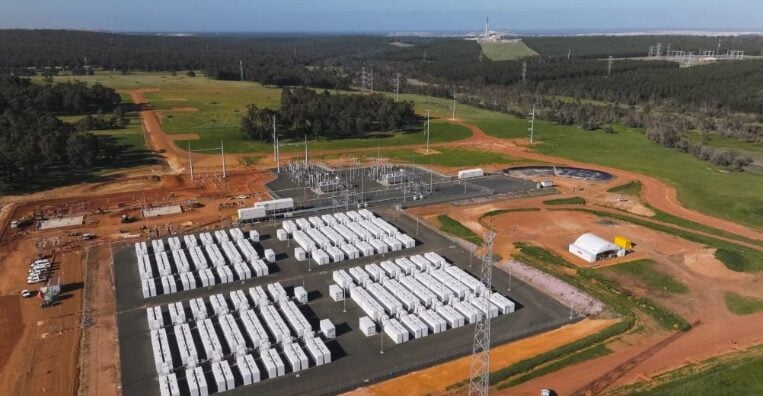
Neoen Australia has referred its 3,200MWh Bondo wind-plus-storage project for federal environmental assessment.
Why it matters: Grid operators are turning the screws on intermittency; if you aren't bundling storage with your PV proposals, your quotes will soon be obsolete.
The Infrastructure Shift
Neoen isn’t just building a power plant; they are building a dispatchable asset. By pairing massive wind capacity with 3.2GWh of storage, they’ve moved beyond the commodity business of selling raw kWh into the high-margin world of grid services and merchant arbitrage. For the European installer, this is the macro-trend that will eventually dictate your project pipeline.
The Downstream Ripple Effect
Don't look at this and think it's just 'utility-scale news.' It's a signal that the market is done with intermittent injection. Whether you are selling 500kW rooftop systems in Germany or 5MW solar parks in Spain, the grid operators are losing patience with solar-only setups. Here is why the Bondo project matters for your P&L:
Neoen is playing for the long game in Australia, but the engineering logic is universal. If you aren't currently training your installation teams on DC-coupled battery integration, or at least building a partnership with a reliable inverter manufacturer like SMA or Sungrow who can handle complex hybrid logic, you are leaving the most profitable segment of the next five years on the table. Stop selling panels; start selling energy management.