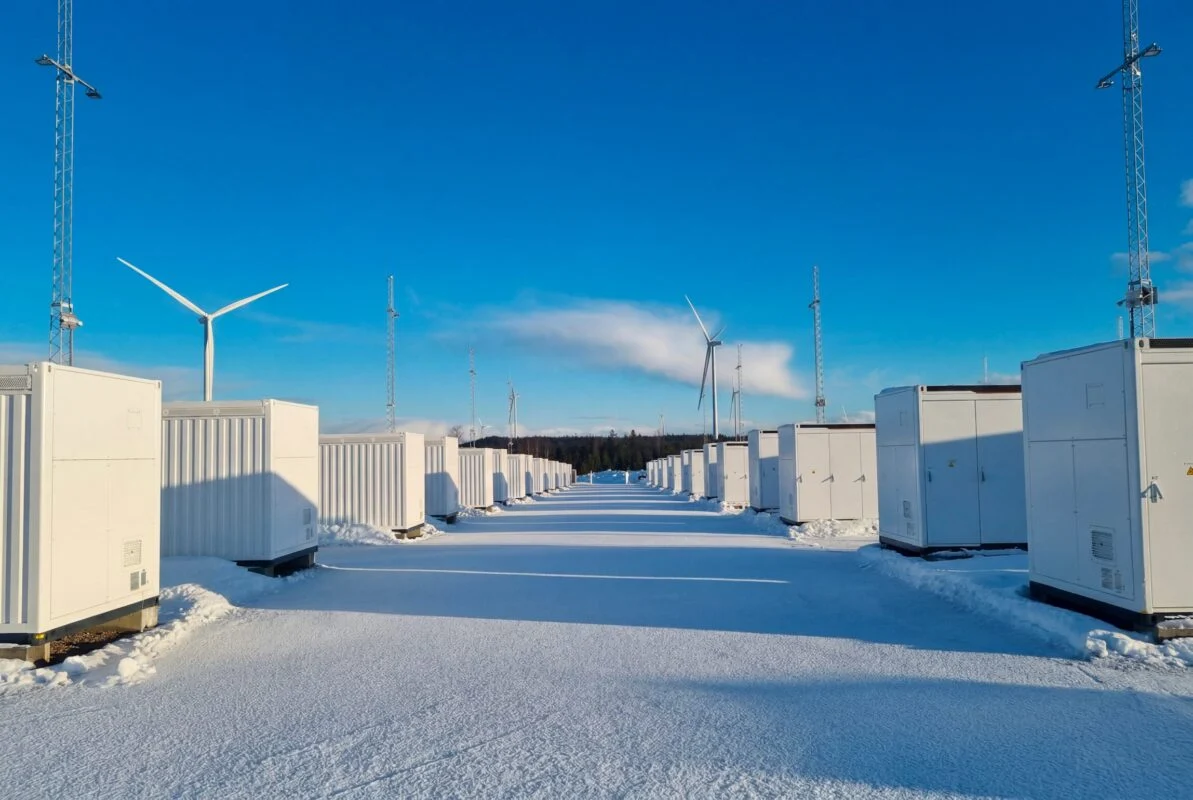
Czech investment group Wood & Company (Wood & Co) has hired construction and optimisation partners for large-scale battery storage projects in Finland and Sweden.
Why it matters: Institutional capital is moving to extract value from grid volatility; if your solar proposals don't include storage-enabled frequency response, your clients are losing money.
The Arbitrage Playbook
When a Prague-based firm like Wood & Co starts aggressively dropping 145MW of BESS into the Nordics, they aren't doing it for the scenery. They are chasing the spread. With Finland and Sweden seeing increasingly volatile day-ahead prices due to wind penetration—often dipping into negative territory—the math for stand-alone storage has shifted from a 'maybe' to a 'must-have' for grid stability.
What this means for the average PV installer:
We’ve seen this script before in the UK's Capacity Market. Institutional money enters, volatility spikes, and suddenly the 'long-duration' storage hype dies down in favor of fast-response, sub-two-hour lithium assets that can capture high-frequency price spikes. If you aren't brushing up on how your C&I clients can participate in virtual power plants (VPPs) or frequency response, your 2026 project pipeline is going to look expensive and antiquated compared to these institutional-grade developments.