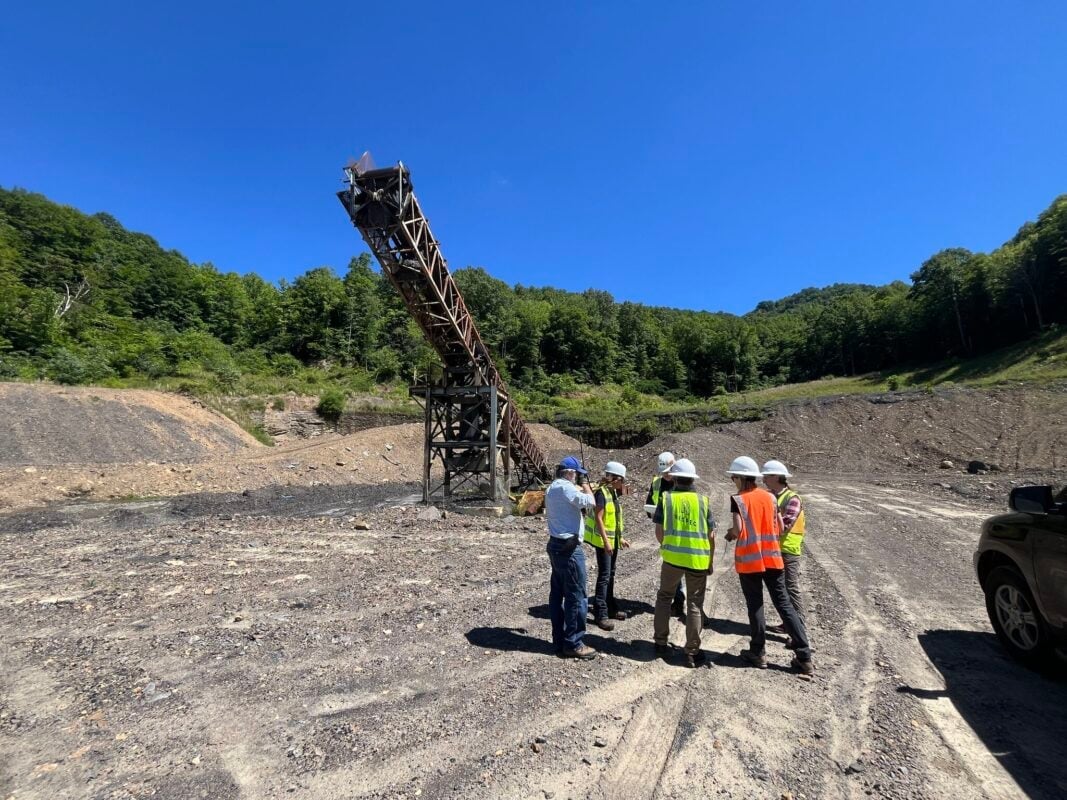
Developer Rye Development are partnering with Kentucky, US utility companies Louisville Gas and Electric (LG&E) and Kentucky Utilities (KU), on a 266MW/2,128MWh pumped hydro energy storage (PHES) project.
Why it matters: Lithium-ion isn't the only storage game; watch for brownfield-to-hydro conversions as the ultimate long-duration solution for grid-tied solar.
The Old Mine Trick
While the rest of the world is obsessed with stuffing every square meter of vacant land with LFP battery containers, Rye Development is doing something arguably smarter: repurposing old coal mine infrastructure for pumped hydro. Repurposing brownfield sites isn't just a win for ESG scorecards; it’s a brilliant way to bypass the permitting hellscape that kills most utility-scale projects.
The European Reality Check
You’re probably thinking, 'What does a Kentucky coal mine have to do with my C&I installation in Bavaria?' Everything. We are hitting a wall with grid connection queues and land scarcity. In Germany or Poland, we have hundreds of abandoned mining pits that are currently liabilities. Converting these into closed-loop hydro storage is a massive, untapped opportunity to provide long-duration energy storage (LDES) that lithium-ion simply can’t match at 2,000MWh+ scales.
Why LFP Isn't Always the Answer
If you’re a developer looking at the next five years, stop betting solely on electrochemical storage. The next big move in the EU isn’t just adding more PV—it’s finding the deep-cycle assets that keep the grid from imploding when the sun goes down for three days straight. Keep an eye on the EU’s 'Innovation Fund' updates; if they start favoring LDES projects on brownfield sites, the business model for large-scale solar will shift from 'peak shaving' to 'load shifting' overnight.