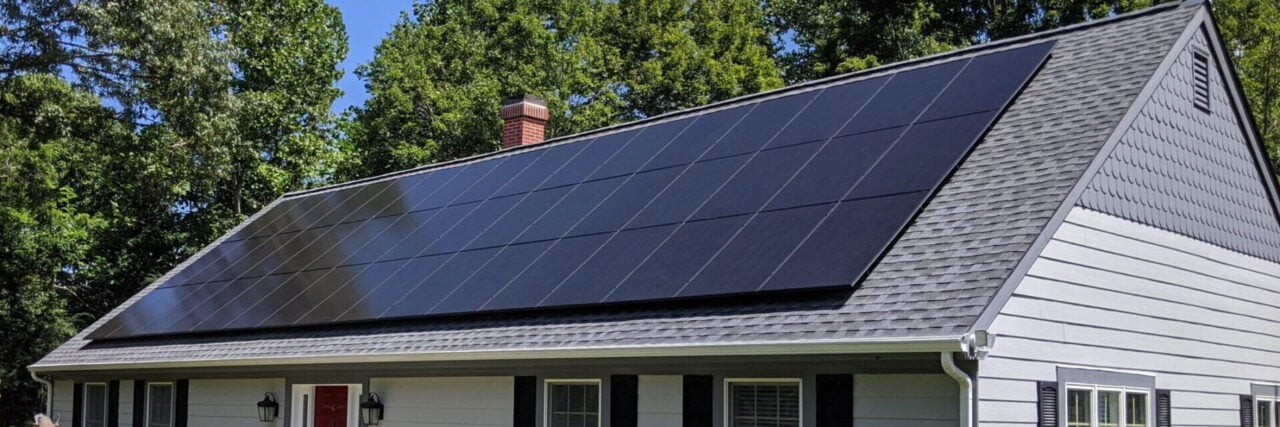
Virginia governor Abigail Spanberger has signed four bills into law that will add 625MW of new community solar capacity by 2028.
Why it matters: Regulatory shifts toward community solar mean your sales team needs to pivot from single-home pitches to multi-tenant asset management immediately.
The US Model Is Flawed, But Useful
While Virginia celebrates a modest 625MW legislative win, European project developers should look closer. The US obsession with 'community solar' often hides a graveyard of interconnection delays and utility-scale lobbying that would make a German Netzbetreiber blush. However, the mechanism here—mandated capacity targets—is exactly what we’re missing in fragmented markets like Italy or Poland.
Why This Isn't Just Another US Headline
For an installer in the Netherlands or a developer in Spain, this isn't about Virginia's grid. It’s about the shift from 'rooftop-only' to 'shared-asset' business models. We are seeing a global convergence: regulators are realizing that if they don't solve the regulatory bottleneck for peer-to-peer or virtual net metering, the residential segment stalls as soon as the low-hanging fruit (easy-to-wire detached homes) is gone.
Don't be fooled by the 625MW number—it's tiny compared to the backlog in the EU. But watch the structure of these bills. If your local government starts mimicking this 'capacity-by-mandate' approach, the installers who win are those who have already digitized their customer acquisition to handle 100-member community portfolios, rather than single-home sales.