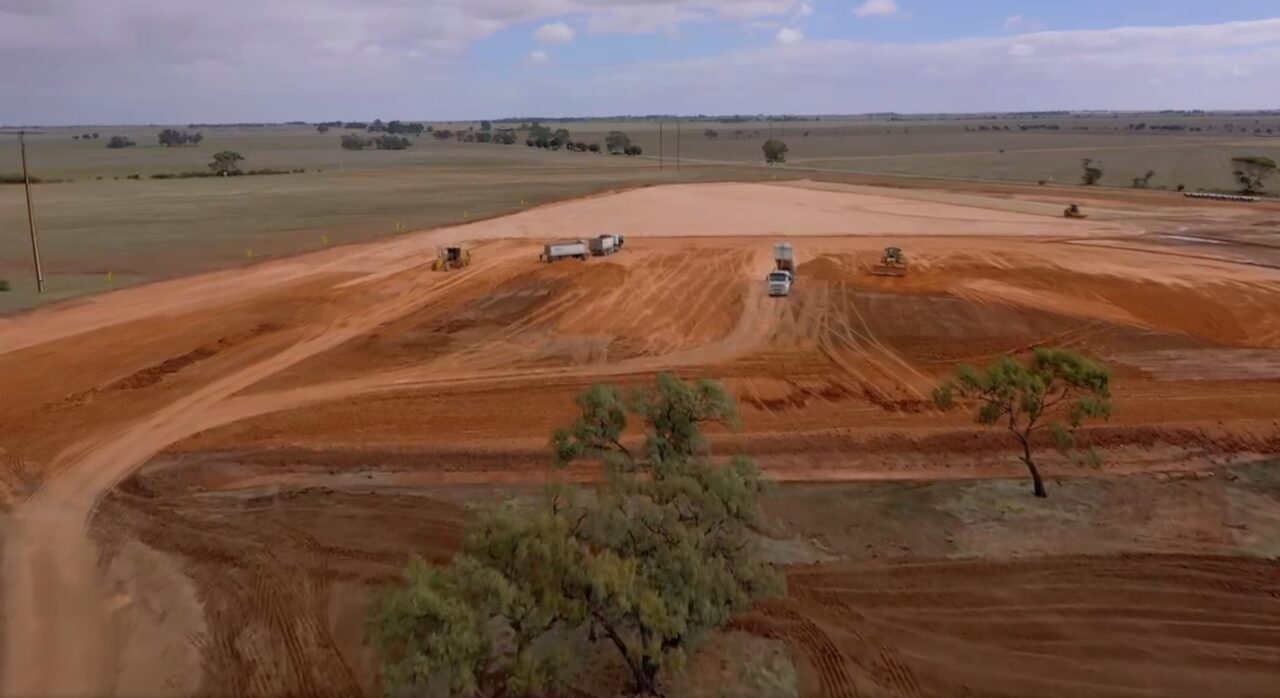
Alinta Energy has commenced main construction works on its 1,000MWh Stage 1 of its Reeves Plains BESS in South Australia.
Why it matters: Grid-scale storage is commoditizing energy volatility; if your C&I proposals don't include BESS, you're selling yesterday's tech.
The Infrastructure Race is Rigged
While we obsess over rooftop residential penetration rates in Bavaria or the Netherlands, the real shift is happening at the grid-scale level in Australia. Alinta’s 1,000MWh Reeves Plains project isn't just another battery; it’s a masterclass in price arbitrage that will eventually force its way into the European C&I market. When you see 1GWh projects breaking ground, the conversation about 'self-consumption' for your commercial clients is about to pivot toward 'grid services revenue.'
The Reality Check for the EU Installer
If you're still selling 10kWh residential units as the end-all-be-all, you’re missing the shift. Here is why the Australian model matters for your P&L:
Stop thinking like a hardware installer and start thinking like a power plant operator. If you can't bundle a BESS with a sophisticated EMS (Energy Management System) that talks to the local DSO, you won't be competing in the commercial sector by 2026. Alinta is proving that scale is the only way to survive the volatility of the energy transition. If you’re not tracking the EEX (European Energy Exchange) spot price volatility, you’re flying blind. The math for your next 500kW rooftop job needs to include at least 200kWh of storage, or you’re just installing a liability, not an asset.