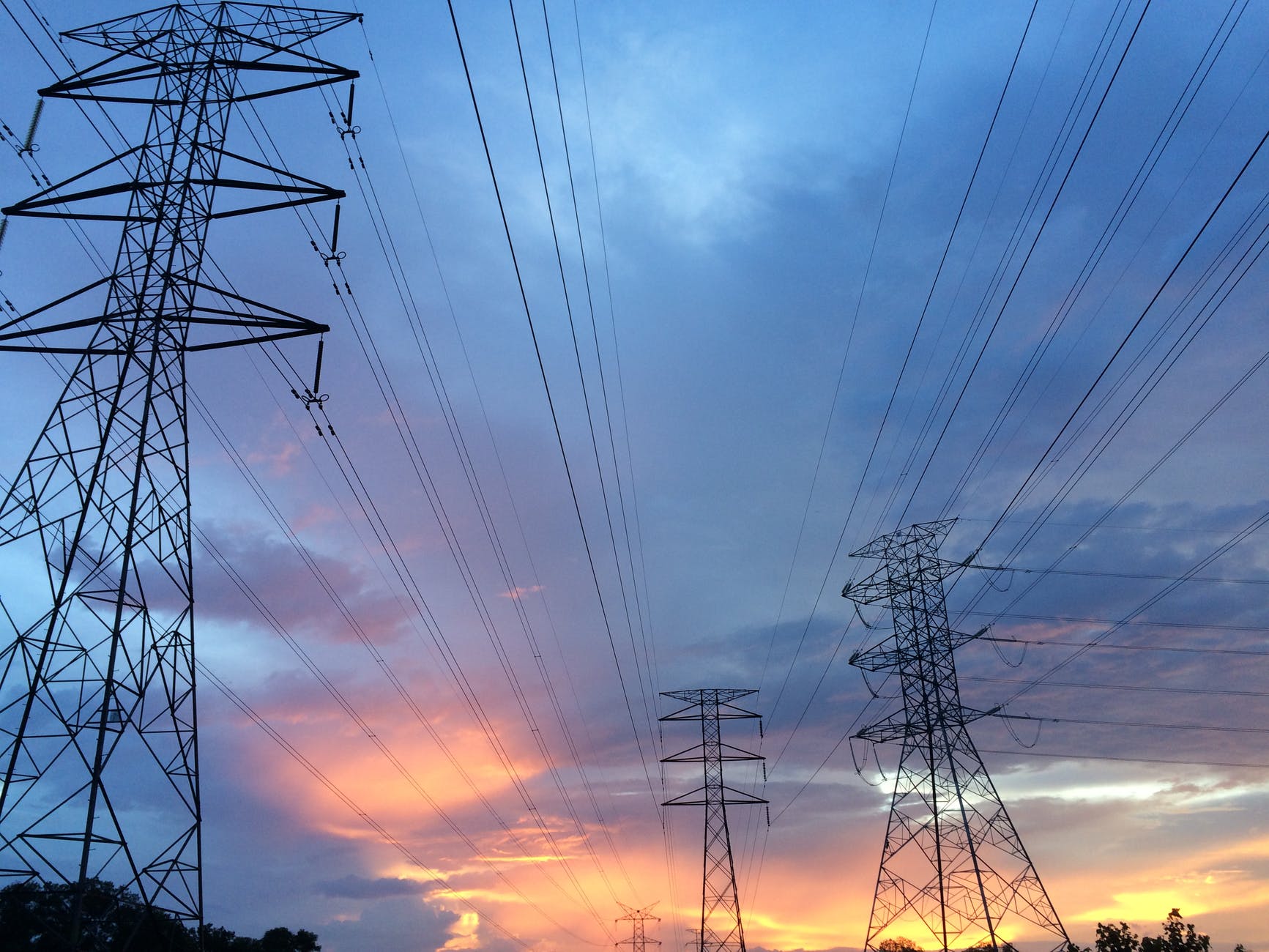
The Department of Energy Philippines, alongside various agencies, inspected the nearly completed ₱5.27 billion Nabas-Caticlan-Boracay Transmission Line Project on April 14, 2026.
Why it matters: This is a grid-balancing project in the Philippines; it has no impact on your EU supply chain, regulatory environment, or profit margins.
Stop reading if you aren't an EPC working in Southeast Asia
If you're an installer in Lyon, Berlin, or Milan, this headline is effectively white noise. The ₱5.27 billion (roughly €85 million) transmission project in the Philippines is a classic example of grid-tethered development that has zero correlation to the challenges you face in the EU. Why? Because your bottleneck isn't usually the lack of a transmission line—it’s the glacial speed of DNO (Distribution Network Operator) approvals and the unpredictable volatility of wholesale prices under the EU's Electricity Market Design (EMD) reforms.
The Real Lesson: The 'Grid First' Illusion
While the Philippines is throwing money at physical transmission to stabilize a remote island, European installers are stuck in a different reality: congestion management. Whether you’re deploying behind-the-meter storage or utility-scale PV in the Netherlands, you are fighting for capacity in a grid that was never designed for bidirectional flows.
If you want to spend your time wisely, stop tracking transmission projects in developing markets and start looking at the ENTSO-E congestion maps. That’s where your project pipeline—and your margins—are actually being decided. Unless you are looking to export your EPC services to Manila, this update is just filler.