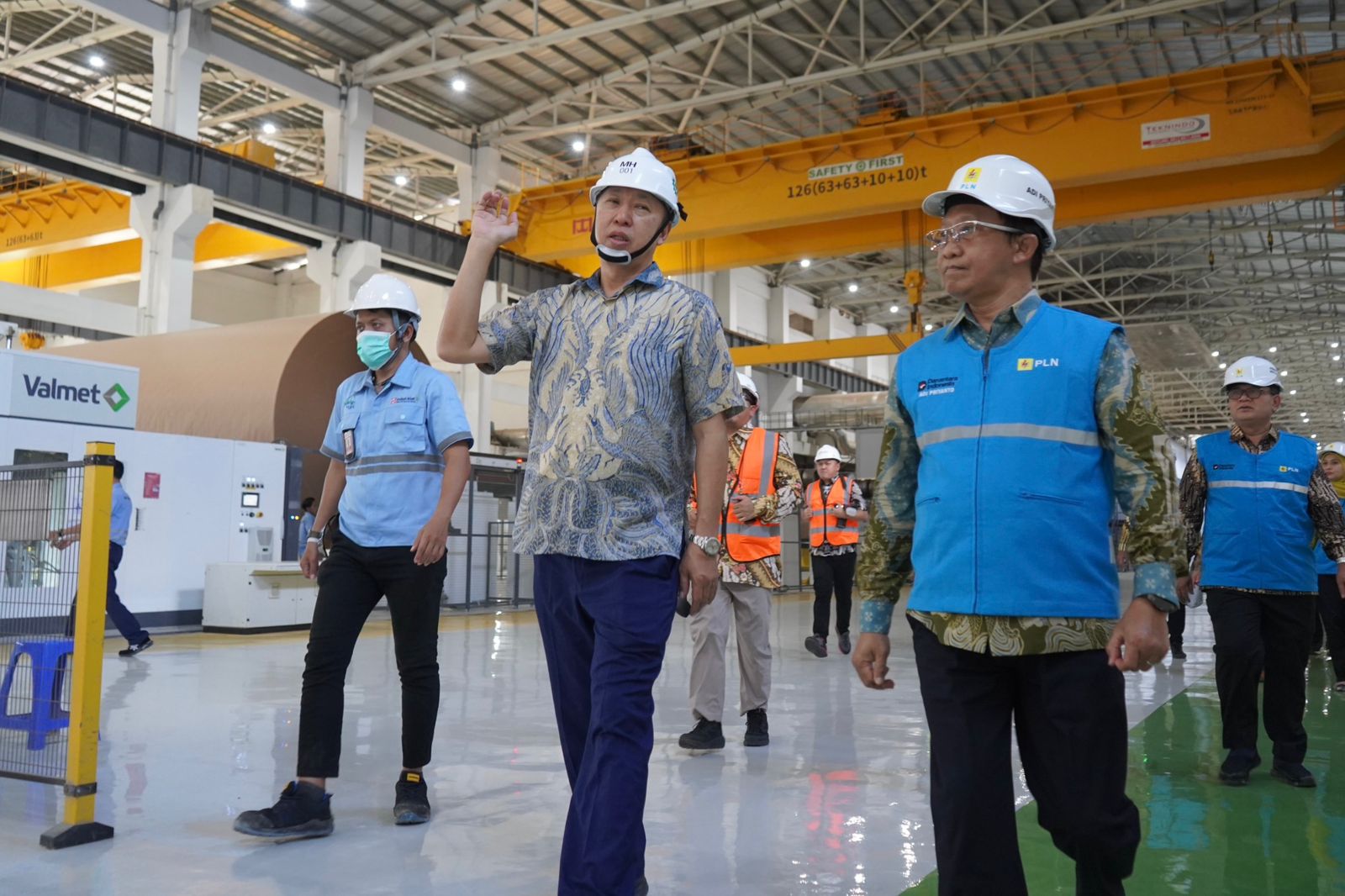
PLN Persero has provided 250 MVA of high-voltage electricity to PT Indah Kiat Pulp & Paper in Karawang, West Java, bolstering Indonesia's pulp and paper industry and creating 2,500 jobs.
Why it matters: This is non-actionable news for the EU solar sector; don't let it distract you from your local project pipeline.
The Brutal Truth: Don't Waste Your Morning Coffee on This
Let's be clear: unless you are currently bidding on a high-voltage substation project in Southeast Asia, this news is noise. There is zero tactical takeaway here for a European solar installer or a C&I developer in Germany, France, or Italy.
Why this is irrelevant to your P&L:
If you're looking for news that actually affects your bottom line, stop reading about general grid capacity increases in emerging markets. Instead, look at the EU's Net-Zero Industry Act (NZIA) requirements. Focus on the upcoming changes to local content requirements in upcoming auctions in Poland or Spain, or the shifting availability of high-efficiency N-type TOPCon modules from Tier-1 manufacturers like JinkoSolar or Trina Solar.
Every minute you spend reading about grid infrastructure in Karawang is a minute you aren't optimizing your pipeline for the next wave of EU-wide PPA-backed storage projects. Save the armchair geopolitics for the pub; focus on the grid connection queues in your local region instead.