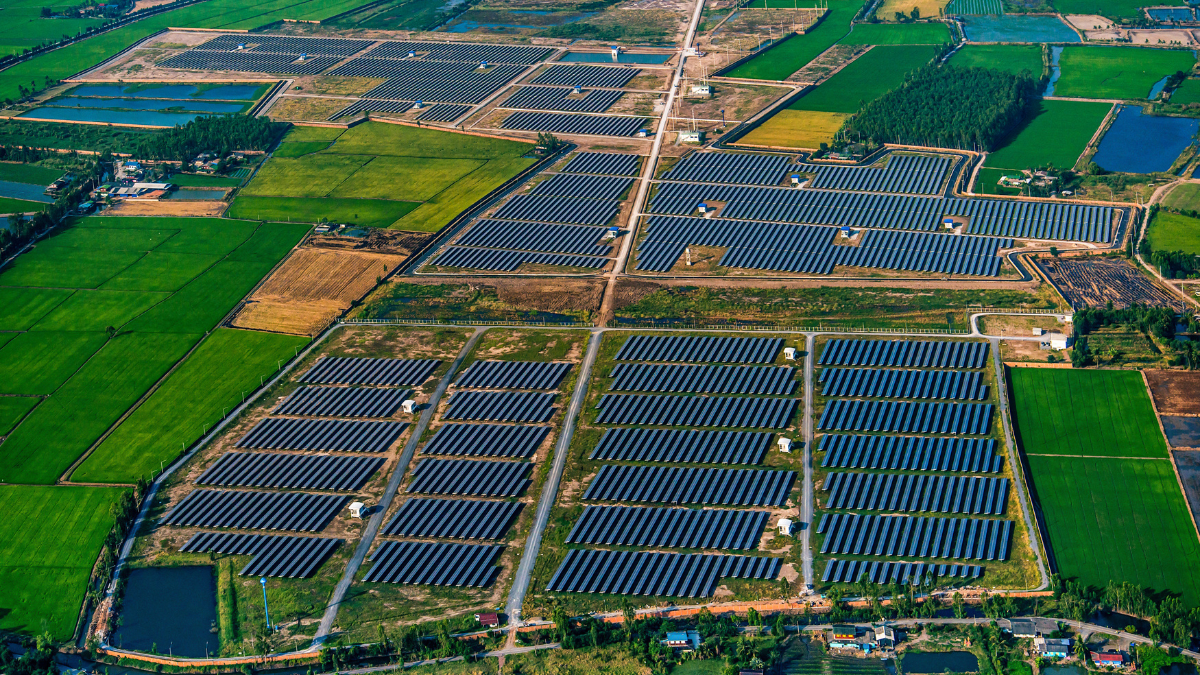
Orrön Energy AB updated its renewable energy efforts in Europe, emphasizing advancements in Germany and strategic planning in the UK. They sold a 91 MW Agri-Solar project and expanded its battery storage projects, totaling 1.4 GW.
Why it matters: Selling a 91 MW site for €60k/MW proves that developer margins are razor-thin; treat your construction estimates with extreme caution.
The Brutal Math of Development
Let’s look at the numbers. Orrön Energy just offloaded a 91 MW Agri-PV project for a maximum of €5.6 million. That’s roughly €61,500 per megawatt. If you’re an EPC or a small-to-midsize developer, read that number again. It’s not a windfall; it’s an exit strategy for a project that likely still carries significant permitting risk and capital expenditure burden.
Agri-PV is the industry’s favorite 'solution' to land-use disputes, but it is notoriously complex to execute. You aren’t just installing modules; you’re managing structural elevations, specialized tracking systems to facilitate soil moisture, and complex grid connection agreements in the German market. When a developer sells at this price point, they are signaling that the 'heavy lifting'—the actual construction, the PPA negotiation, and the operational headache—is no longer where they want their capital tied up.
For the rest of us, there are three takeaways:
Don't be fooled by the 'Agri-Solar' buzzword. Selling a project isn't proof of a thriving market; it's often a sign of a company liquidating assets to shore up a balance sheet for more profitable BESS plays. If you’re bidding on these projects, make sure your contingencies cover the cost of the structural steel that Agri-PV mandates.