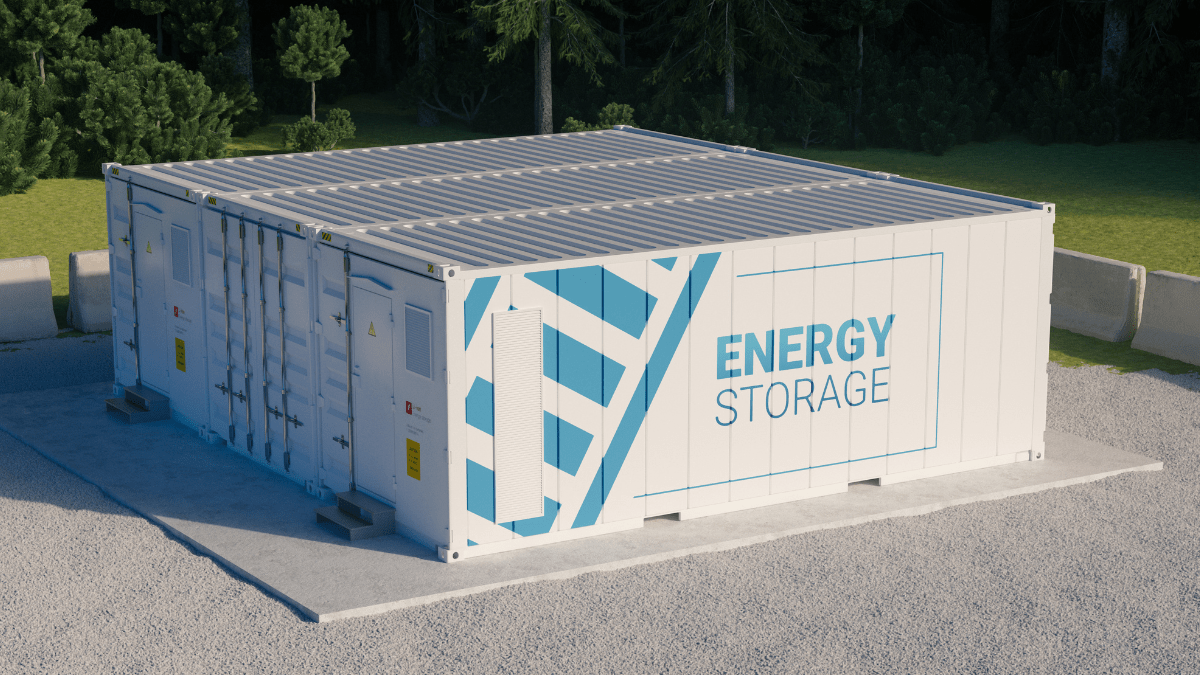
Egypt is modernizing its energy system by investing in large-scale battery storage to bolster its renewable energy sector. Key projects like AMEA Power's Nefertiti and Horus will enhance grid stability and reduce fossil fuel reliance.
Why it matters: Global BESS standardization is accelerating; expect easier commissioning as utility-scale projects in MENA drive down hardware complexity.
The Manufacturing Mirage
Egypt isn't just buying batteries; they’re trying to build a local supply chain. For European integrators currently struggling with LFP cell lead times from CATL or BYD, this is a signal to watch, not a threat. When a nation pivots to 42% renewable targets by 2030, they aren't just shifting the grid—they are creating a massive local absorption sink for Tier-2 hardware that would otherwise be flooding our European markets.
Why This Matters for Your P&L
The Reality Check: Don’t get distracted by the geopolitical headlines. The real story here is the standardization of utility-scale storage. As Egypt adds these GWhs, the global market for high-voltage cabinets becomes more standardized. If you’re a C&I installer in Germany, this is good news—standardization means easier commissioning and less 'black box' troubleshooting on the DC side. Watch the commissioning reports from the Horus project closely. If they manage to keep their round-trip efficiency above 88% in those heat conditions, it’ll be a blueprint for your next desert-adjacent project in the EU.