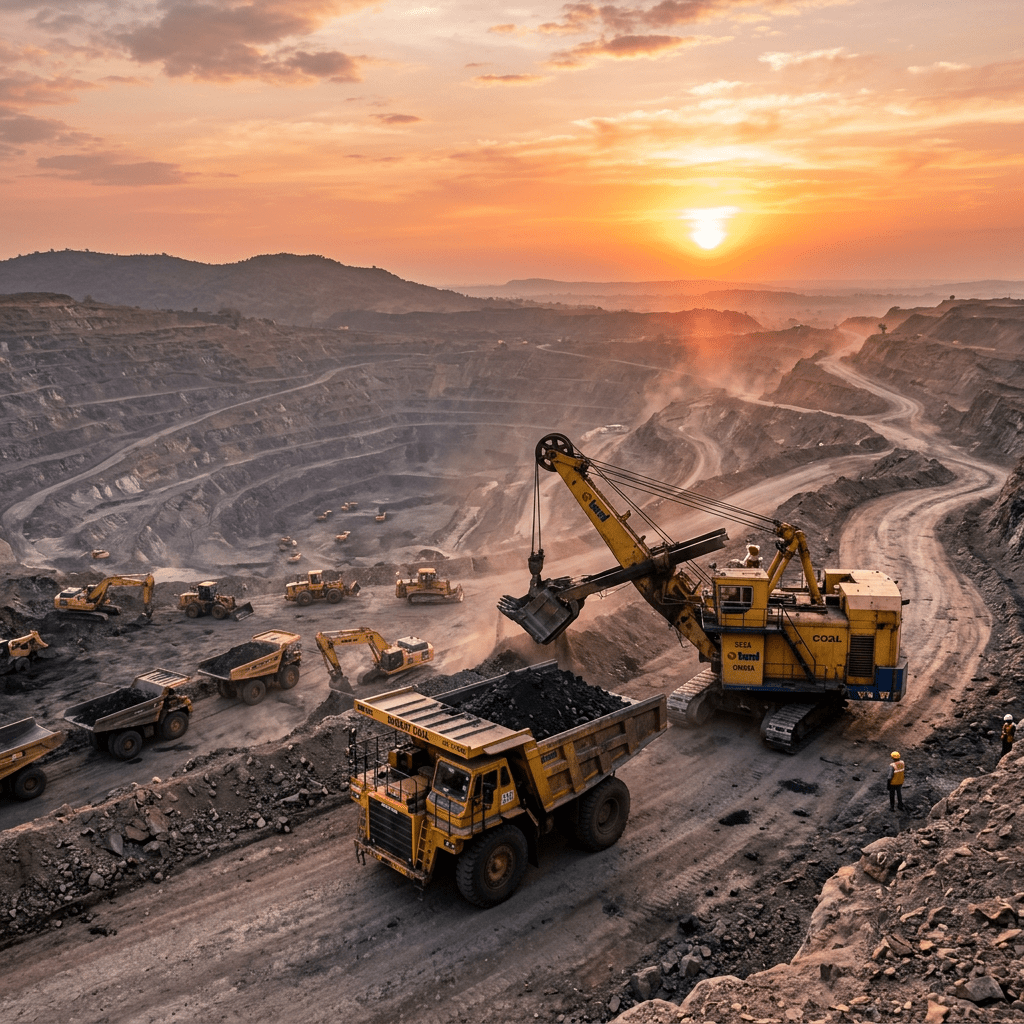
India is launching its 15th round of commercial coal mine auctions to boost domestic coal production and enhance energy security.
Why it matters: Global fossil fuel dependence keeps energy prices volatile; use this to close the gap on high-margin storage installations.
The Realist's Take
If you're an installer in Hamburg or Madrid, reading about India’s 15th coal auction might feel like a world away. It’s not. When a massive, growth-hungry economy like India doubles down on coal to 'ensure energy security,' it tells us that the global transition isn't a straight line—it’s a messy, bifurcated slugfest between dispatchable base-load and intermittent renewables.
Why This Is Your Problem
India’s reliance on coal creates a persistent, high-demand floor for global thermal coal prices. For the European solar professional, this means that energy price volatility is here to stay. When the grid remains tethered to volatile fossil fuel inputs—whether it’s coal in New Delhi or LNG in Rotterdam—the arbitrage opportunity for behind-the-meter storage only grows.
Stop pitching solar as a moral imperative. Start pitching it as the only viable hedge against a world that is clearly not ready to leave fossil fuels behind. If the world is going to keep burning coal to keep the lights on, the ROI on your storage installation just went up. Sell the resilience, not just the kWh.