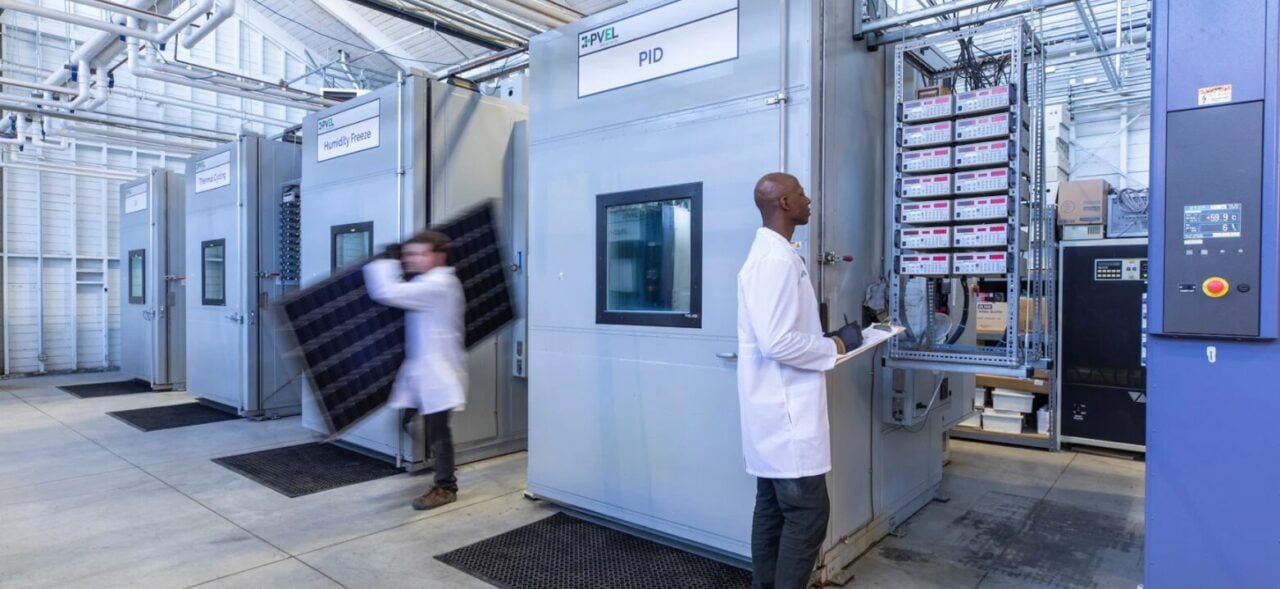
Kiwa PVEL has updated its solar module Production Qualification Program to better assess the performance of solar PV modules.
Why it matters: PVEL’s new standards are a start, but your site-specific installation methods are still the primary cause of module failure.
The Quality Gap Isn't in the Lab
Kiwa PVEL is tightening its testing regime to address frame failures and glass breakage—two issues that have been the bane of installers from Bavaria to Andalusia. While it’s comforting to see the industry finally acknowledge that 'thinner is not always better,' don't mistake a lab update for a field-ready solution.
Why Your Warranty Might Still Be Worthless
The core problem for European installers isn't that current modules fail PVEL’s rigorous testing; it’s that the modules arriving on your site often bear little resemblance to the 'golden samples' sent to the lab. When a shipment of 500kW of modules arrives with micro-cracks from substandard shipping or frame fatigue from cheap aluminum alloys, a shiny PVEL certificate on a spec sheet won't cover your labor costs for a warranty swap.
The Reality Check for Procurement:Ultimately, this update is a nudge toward sanity in a race-to-the-bottom market where JinkoSolar and LONGi are constantly balancing glass thickness against shipping logistics. Use these new standards as a bargaining chip during procurement to demand better packaging, but never assume a 'passing' score translates to a lifetime of zero-maintenance operations.