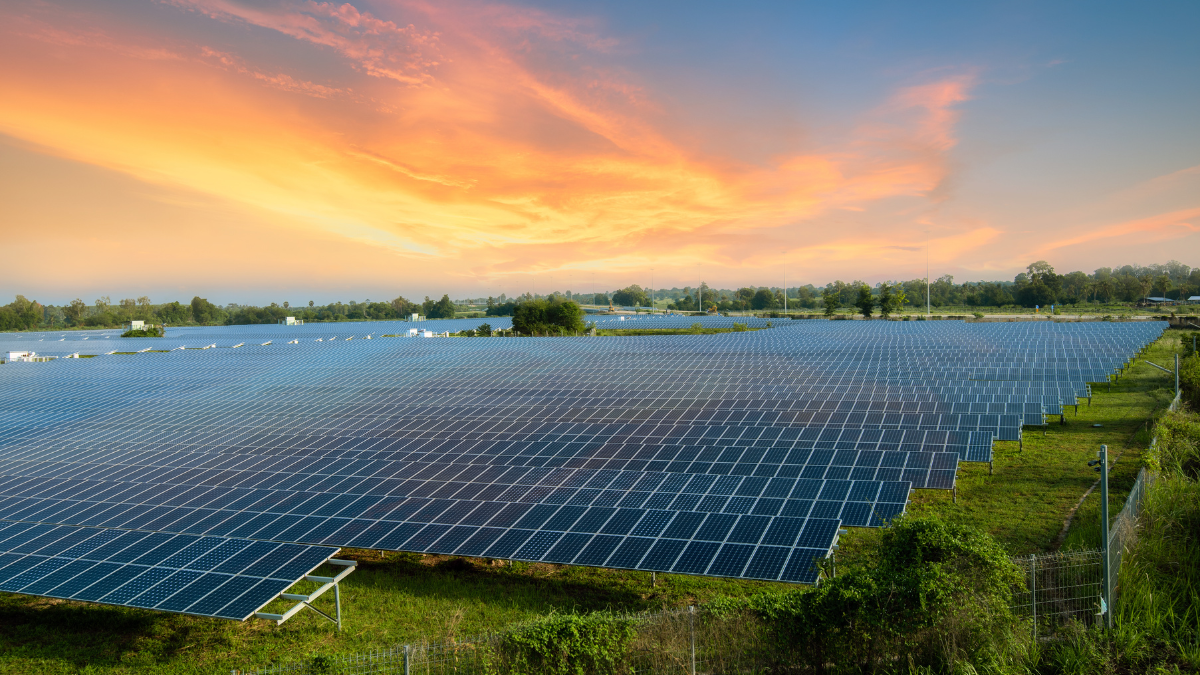
Citicore Renewable Energy Corporation has energized its 125MWp solar project in Pangasinan, generating 202GWh of clean electricity yearly for 90,000-100,000 households.
Why it matters: Stop looking at global headlines; pay attention to EU module pricing and local grid constraints if you want to protect your margins.
The Brutal Truth for EU Developers
If you're reading this in Berlin or Madrid, a utility-scale project announcement in Pangasinan is about as relevant to your Q3 margins as the weather on Mars. It’s a nice milestone for the Philippines, but let's be clear: this is not a blueprint for European solar installers facing the current reality of grid congestion and negative pricing.
The Agrivoltaics Mirage
The article mentions 'adaptable designs' for agriculture beneath the panels. It’s a popular buzzword in Brussels too. But let’s look at the actual math: while the EU’s Common Agricultural Policy (CAP) is shifting, retrofitting a standard 125MWp utility-scale site for agrivoltaics in Germany or France often balloons CAPEX by 20–30% due to the structural steel requirements for high-clearance mounting systems. Unless you are installing dual-axis trackers or specialized vertical bifacial systems—which carry their own O&M nightmares—you are likely sacrificing yield for a marginal benefit in local planning permission.
What Should You Actually Care About?
Instead of tracking Citicore, watch the European Commission’s implementation of the Net-Zero Industry Act (NZIA). The real story here isn't the total MW capacity; it's the supply chain resilience. The Philippines project is almost certainly built with Tier 1 Chinese modules (think LONGi or Jinko) which are currently flooding the EU market at prices below €0.10/W. If you are an installer, your biggest risk isn't competing with Philippine land use—it's managing the asset devaluation of your current inventory if European domestic content requirements or anti-dumping duties suddenly shift the price floor for modules again. Stop looking at headlines from Southeast Asia and start auditing your inventory depreciation schedules before the next wave of module price crashes hits the continent.