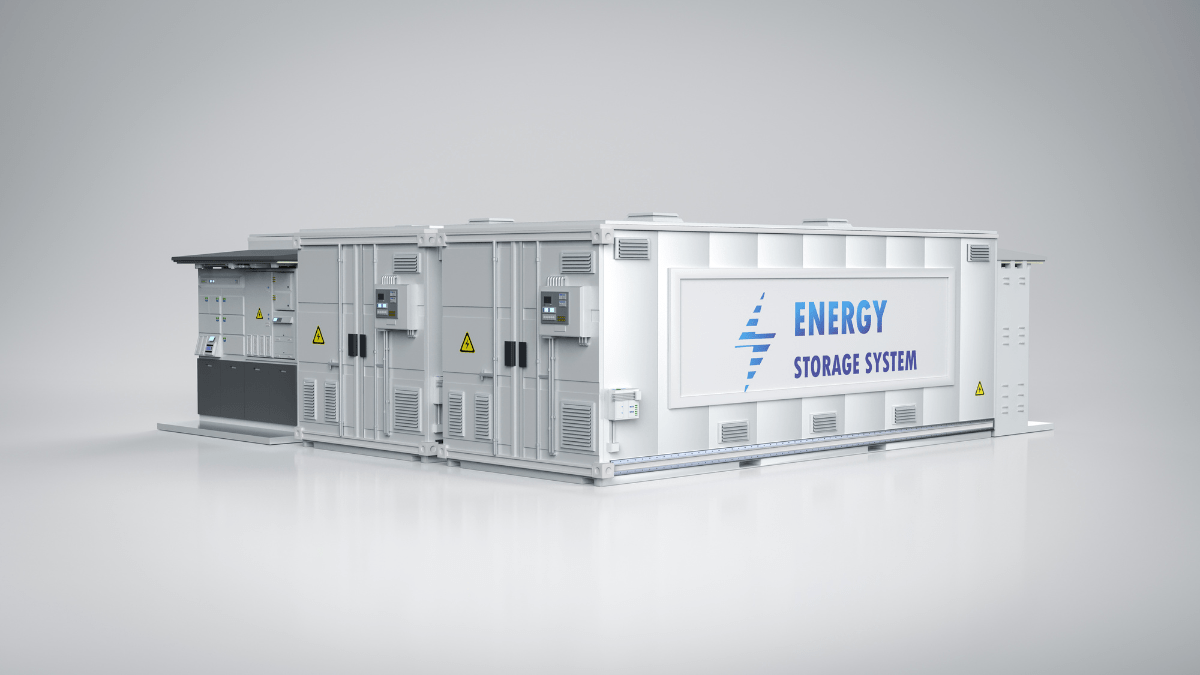
The Southern African Power Pool is selecting a consulting firm to create a regional strategy for Battery Energy Storage Systems, supported by the African Development Bank.
Why it matters: Global utility-scale storage procurement will tighten cell supply, likely keeping your BESS margins thinner than anticipated throughout 2026.
The Indirect Squeeze
At first glance, a Southern African Power Pool (SAPP) strategy session feels like a world away from your current installation schedule in Bavaria or Tuscany. However, pay attention. When regional power pools—backed by the African Development Bank—start aggressive BESS procurement, they aren't just buying cells; they are entering the same global queue as your residential and C&I projects.
Supply Chain Dominoes
We are currently seeing a normalization of LFP battery prices, but large-scale institutional tenders like those coming out of SAPP tend to prioritize volume and long-term supply agreements with Tier-1 manufacturers like BYD or CATL. For a mid-sized European installer, this creates two distinct pressures:
Don't fall for the trap of thinking these emerging markets are 'behind' us. The African Development Bank is bypassing the archaic, slow-growth utility models that currently plague our grid operators in the EU. They are building decentralized, storage-heavy grids from the ground up, likely utilizing the same Sungrow or Huawei inverters you're installing today. If you're building a business model based on the assumption that global BESS demand will plateau, look at these regional power pool developments. Global capital is finally moving toward grid-scale storage, and it’s going to compete directly with your local warehouse inventory. Stop waiting for prices to drop to 2023 lows; they aren't coming back.