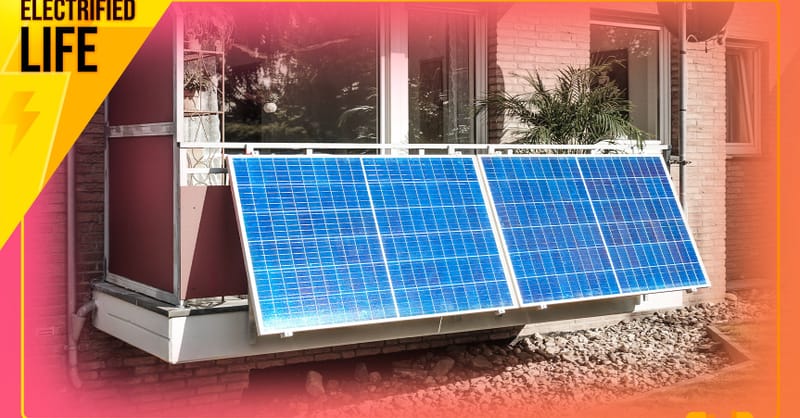
Balcony solar is poised to take the U.S. by storm. The DIY systems, which you can hang on a balcony and plug into a normal 120-volt…
Why it matters: Balcony kits are a retail commodity, not a professional service; leave them to the hardware stores and focus your engineering talent on high-margin C&I storage.
The Plug-and-Play Mirage
Let’s be clear: the 'plug-and-play' balcony solar trend currently being fetishized in the US media is a European import that has already matured, plateaued, and hit its legal ceiling across the DACH region. While Canary Media frames this as a revolutionary DIY opportunity, for the professional installer, it’s a distraction—or worse, a liability.
In Germany, the Stecker-Solar market hit a fever pitch with the VDE and Federal Network Agency (Bundesnetzagentur) finally streamlining the registration process. But look at the margins. When you’re selling a single 400W panel with a micro-inverter for €300, the 'install'—if you can call it that—is basically a handshake. There is no engineering, no complex commissioning, and zero recurring service revenue. If your business model relies on high-touch EPC work, this isn't your market; it’s a grocery store retail item.
Why This Isn't an Installer's Play
Don't waste your lead-gen budget on balcony solar. It’s a retail game for hardware stores, not a scalable solution for an electrical contractor. If you’re looking for volume, chase heat pump integration or EV charging station management—areas where the grid actually needs professional oversight, and the margins aren't razor-thin.