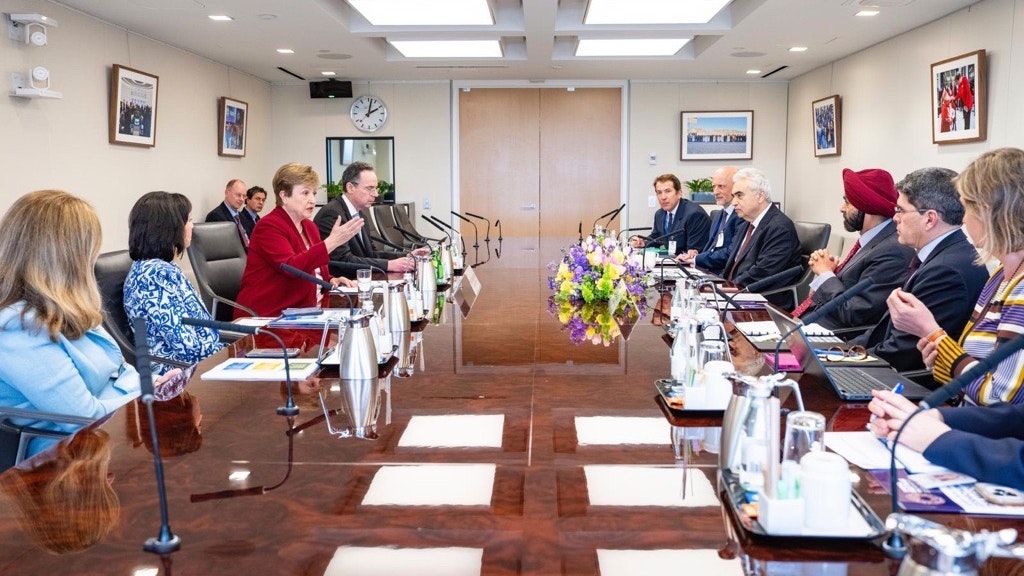
Heads of the International Energy Agency, IMF, and World Bank Group met to address the economic and energy impacts of the Middle East conflict. Their joint statement highlighted severe global disruptions, particularly for low-income countries.
Why it matters: Stop assuming stable logistics; if you aren't pricing geopolitical shipping risk into your hardware quotes, you're subsidizing your own bankruptcy.
The Macro-Panic Doesn't Change Your Daily Grind
We see these headlines every time a tanker gets delayed or a pipeline jitters. The IEA and World Bank are playing the role of international alarmists, warning about volatility. But for an installer in Bavaria or a project developer in Valencia, this is just noise—unless you’re ignoring the underlying supply chain reality.
The real story isn't the 'global risk'—it’s the lingering fragility of your hardware procurement. Here is the reality check for your 2026 project pipeline:
The IEA’s warning is a reminder that we aren't decoupled from the old energy order yet. Every time a conflict flares, the cost of 'free' sunshine goes up because the components required to harvest it are anchored to the world's most unstable shipping lanes. Stop waiting for the global economy to stabilize. Price the chaos into your next quote, or watch your installation business get crushed by the next logistical hiccup.