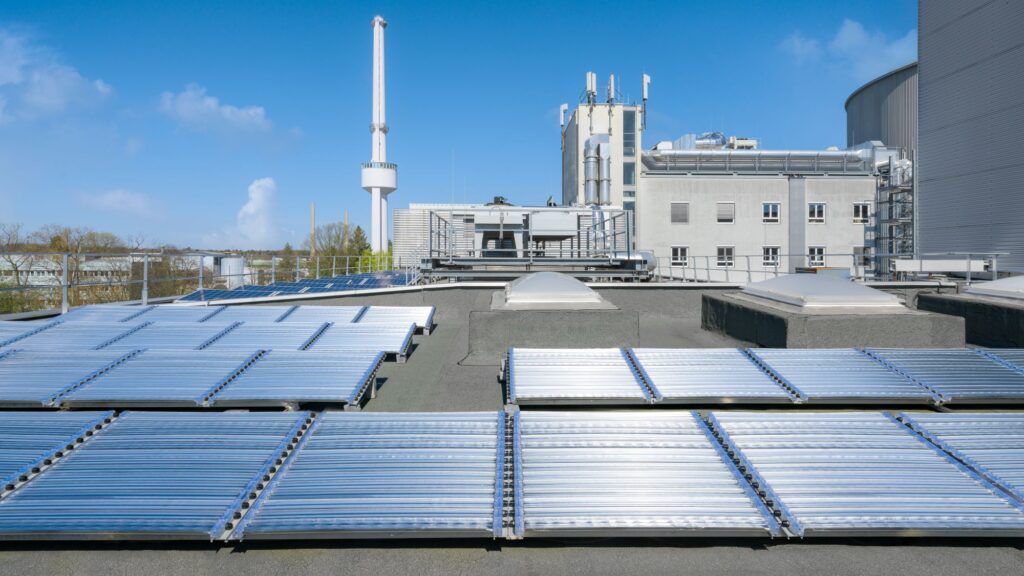
La tecnología de Photreon plantea una vía alternativa para acelerar el despliegue del hidrógeno renovable, simplificando la cadena de valor y ampliando las posibilidades de producción en entornos descentralizados y off-grid.
Why it matters: Direct solar-to-hydrogen tech is still in the lab; ignore the marketing until they prove they can handle real-world dirt, heat, and humidity.
The Holy Grail or Just Another PowerPoint?
Let’s cut through the hype. Photreon claims to bypass the standard electrolyzer-plus-PV-inverter rig by splitting water directly using solar radiation. If this sounds like magic, that’s because it usually is. For the past decade, we’ve seen dozens of 'direct solar-to-hydrogen' startups vanish after their lab efficiency metrics hit the harsh reality of real-world irradiance cycles and catalyst degradation.
However, the value proposition here isn't just 'green hydrogen'—it's the elimination of the grid connection and the DC-to-AC-to-DC conversion losses that plague current green hydrogen projects. Think about the C&I sector in remote locations like the Alentejo region in Portugal or the agricultural plains of Castile-La Mancha. If you can deploy a standalone unit that produces hydrogen during peak sun hours without needing a 200kVA transformer upgrade or a complex SCADA integration, you’ve just created a new product category.
The Reality Check for Installers
Keep your eyes on the pilot data. If Photreon can show 5,000 hours of continuous operation in a dusty field without a catalyst swap, then—and only then—do we start talking about replacing diesel generators in off-grid telecom towers.