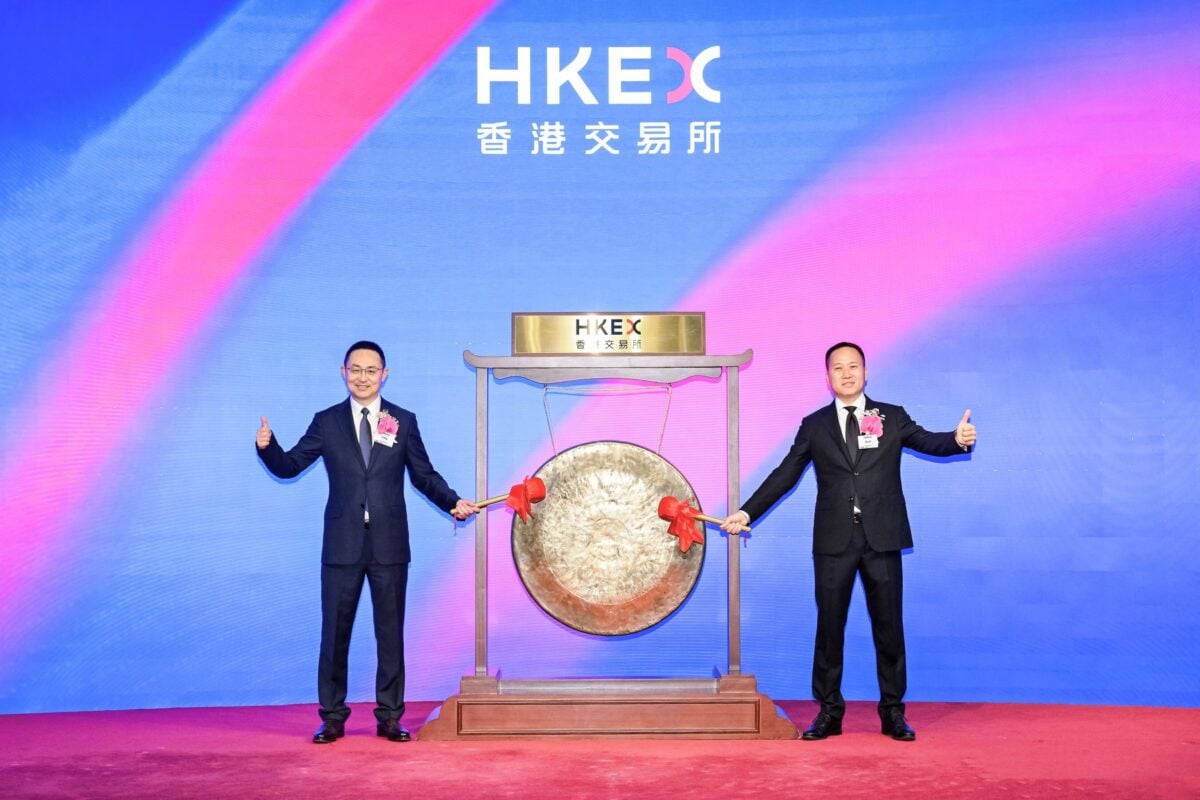
On 16 April, battery storage solutions provider Sigenergy was listed on the Hong Kong Stock Exchange (HKEX) under the stock code 06656.HK.
Why it matters: Publicly traded manufacturers prioritize volume over your support tickets; vet their warranty reserves before you standardize your portfolio.
The IPO signal you’re missing
Sigenergy is out there selling modular, '5-in-1' energy storage systems that look slick on a spec sheet. Raising HK$4.4 billion isn't just about R&D; it’s about buying market share in the fragmented European residential and C&I space. When a manufacturer goes public, they stop being a boutique partner and start being a volume-obsessed entity under pressure to report quarterly growth to institutional investors.
The hidden cost for installers
Here is what happens next: Sigenergy will push for higher sell-through rates to keep their stock price from cratering. For the installer in Bavaria or the Netherlands, this means two things:
The Bottom Line: If you’re currently spec-ing Sigenergy for a 15kW residential install, look at their warranty provisioning in the annual report. With the EU’s new Ecodesign for Sustainable Products Regulation (ESPR) tightening the screws on battery recyclability and supply chain transparency, Sigenergy’s new public status means they have nowhere to hide. If they can’t prove their supply chain matches the ESG narrative they sold to HKEX investors, your installation business could be left holding the liability bag when a module fails in year seven.