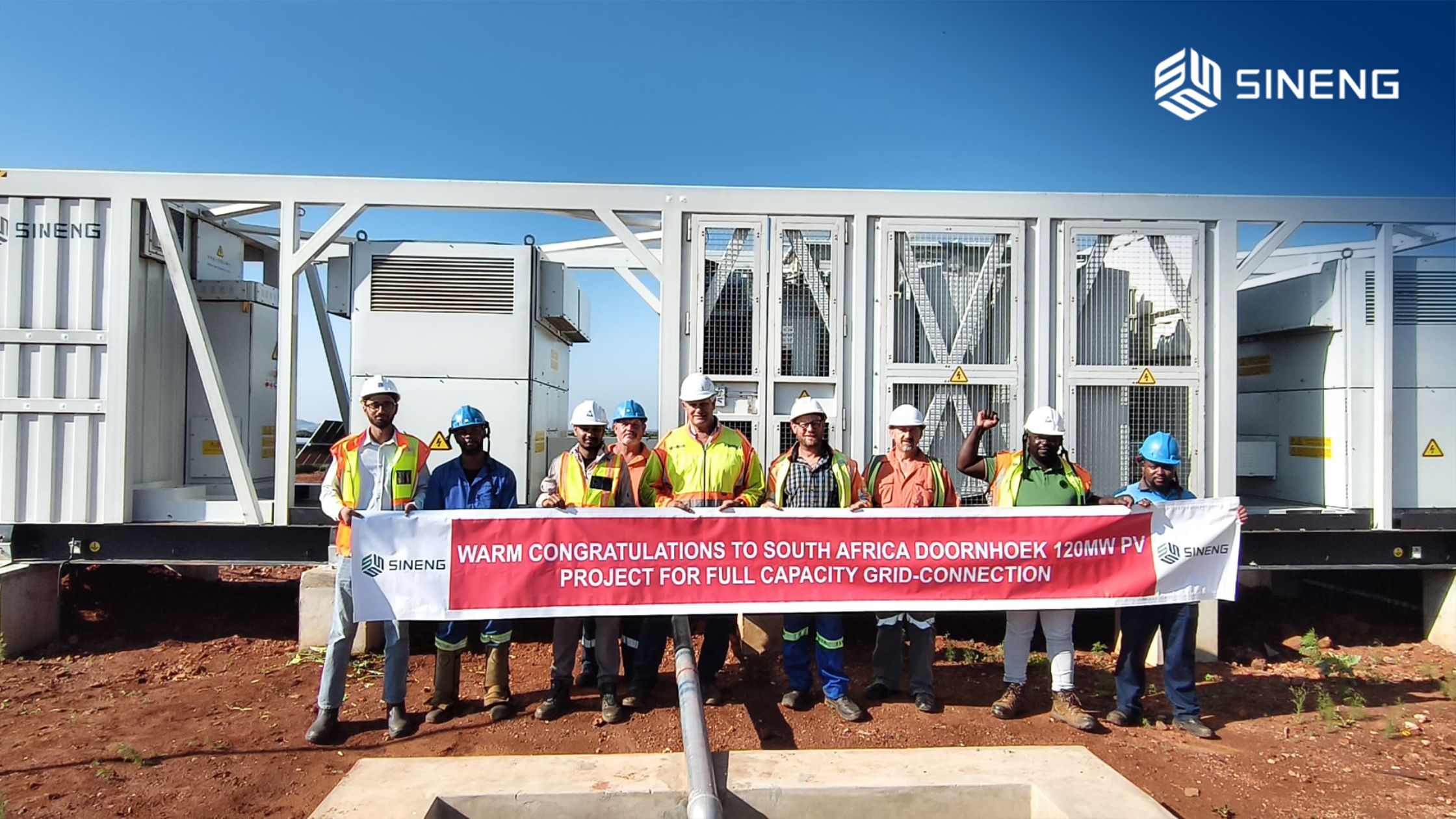
Sineng Electric has supplied 19 advanced inverter skids for the 120 MW Doornhoek PV Solar Project in South Africa, developed by AMEA Power.
Why it matters: Cheap hardware is easy to buy, but expensive to service; don't trade your O&M margins for a lower CAPEX invoice unless you have a local support contract in writing.
Let’s be honest: press releases about 120 MW projects in South Africa rarely move the needle for a Berlin-based installer or a developer in Madrid. However, if you are ignoring the aggressive expansion of brands like Sineng Electric, you are missing the single biggest pressure point on your future hardware procurement costs.
The Utility-Scale Price War
Sineng is currently weaponizing their cost structure to win large-scale tenders globally. When you see a manufacturer deploying 19 inverter skids in a market like South Africa, it signals a massive manufacturing scale-up aimed at capturing the 'Tier 1' status long held by the likes of SMA or Fimer. For a European C&I developer, this is a double-edged sword:
The Reality Check: While the Doornhoek project sounds impressive, don’t confuse 'winning a tender' with 'operational reliability over 20 years.' The EU market is currently grappling with strict grid code compliance (think NC RfG standards). Before you trade your legacy inverter brand for a lower upfront cost, ask yourself if the 'advanced inverter skid' comes with a European service desk that actually speaks your language or just a generic support email that bounces back.
If your procurement strategy is still based on 2023 pricing, your 2026 project pipeline is likely already underwater. Use these aggressive overseas deployments as leverage to negotiate with your current tier-one suppliers. Don't be the test case for unproven support infrastructure just to save 4% on the BOS cost.