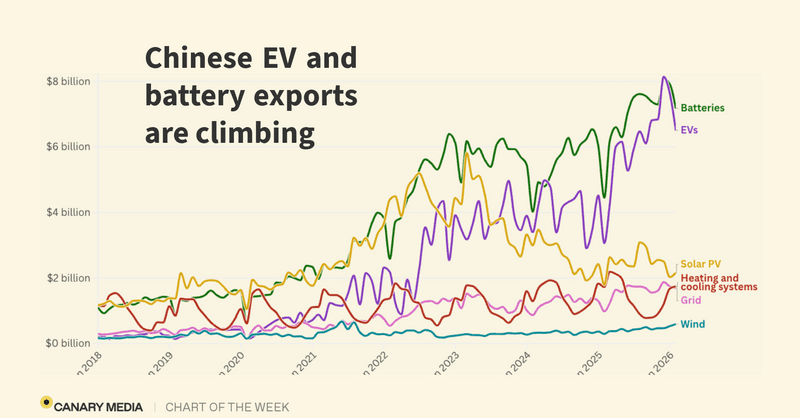
The country produces the vast majority of the globe’s solar panels, batteries, and wind turbine equipment, and most of its EVs.
Why it matters: Cheap hardware is a commodity trap; stop selling watts and start selling system reliability before the next round of EU trade policy hits your bottom line.
The Race to the Bottom Has No Finish Line
Let’s be blunt: the 'China export boom' isn't a logistical success story for the average European installer; it’s a deflationary trap. When production capacity hits the levels we are seeing from giants like JinkoSolar and LONGi, you aren't just buying hardware; you’re buying into a volatile commodity cycle. If your business model relies on 'buying low and selling average,' you are one warehouse liquidation away from insolvency.
The Hidden Cost of 'Cheap'
I see installers bragging about securing Tier-1 modules at sub-€0.10/Wp prices. That feels like a win until you factor in the European Union’s tightening supply chain audits and the inevitable push for local content requirements. Every 500kW rooftop project you sign with these 'dirt-cheap' imports carries an increasing risk of regulatory friction. If the EU shifts toward more aggressive enforcement of the Corporate Sustainability Due Diligence Directive (CSDDD), those bargain-bin panels might end up as expensive scrap metal.
Stop chasing the lowest price per watt. In a market flooded by Chinese overproduction, the company that wins isn't the one with the cheapest container on the dock—it’s the one with the most sophisticated technical wrap-around for the end customer.