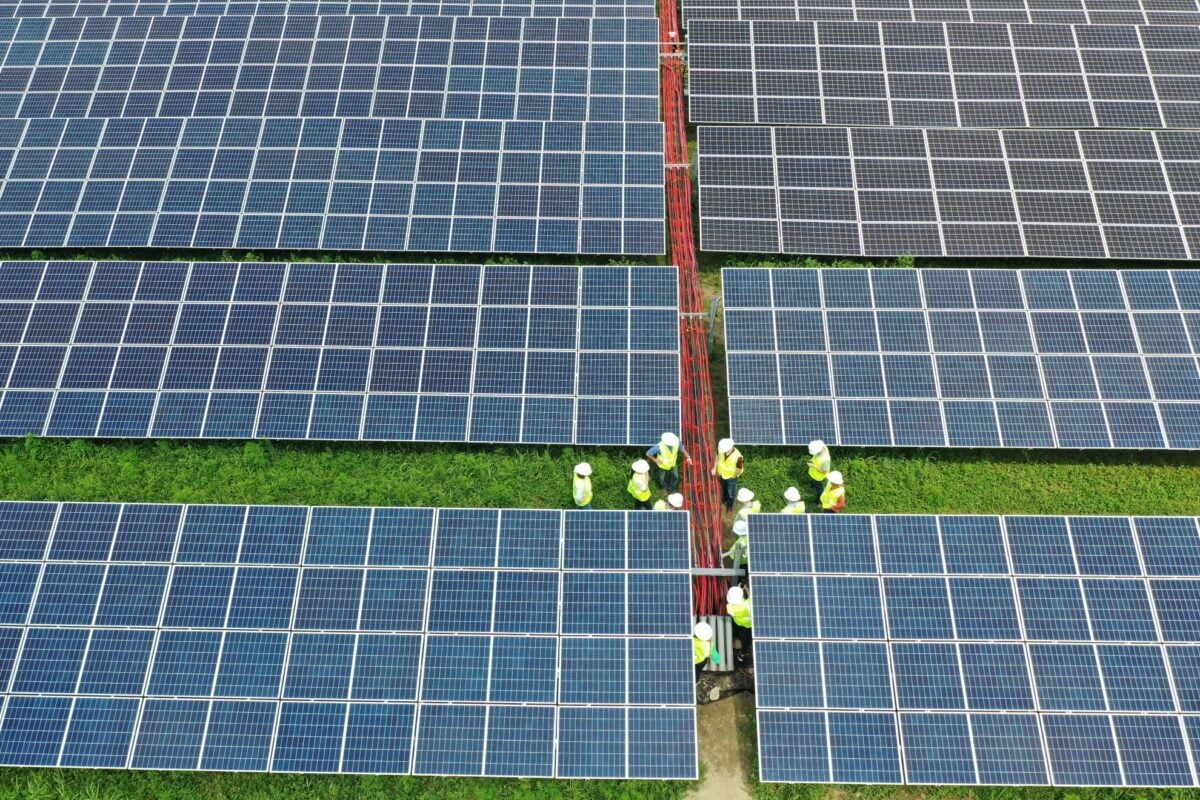
The US community solar sector passed 10GW DC of cumulative capacity in late 2025, according to a report by Wood Mackenzie and the Coalition for Community Solar Access.
Why it matters: Hardware margins are shrinking; the real money in community solar is in the software stack that handles billing and local energy sharing.
The 10GW Milestone Isn't Just a US Victory Lap
While the US celebrates hitting the 10GW mark, European installers should be looking at the structural grid mechanics behind it, not the capacity number. In the US, community solar works because of specific virtual net metering (VNM) frameworks that allow tenants to subscribe to off-site arrays. In Germany or Poland, we’re still fighting local distribution system operator (DSO) bureaucracy just to share a roof with a neighbor.
The Practical Bottleneck
The US slowdown mentioned in the report isn't about lack of demand; it’s about interconnection queues—a ghost that haunts every European installer from the Ruhr to the Tagus. If you think the 10GW figure is impressive, look at the margin compression hitting these projects as they scale. US developers are currently struggling with:
The Real Signal for You: If you are a C&I developer in the Netherlands or Italy, the lesson here isn't 'build more community solar.' It’s that the business model is shifting from hardware margins to data management. When you move to a shared-asset model, your profit shifts from the EPC markup to the software that manages the billing and grid balancing. If you're still just pinning modules to rooftops without a strategy for energy community legislation (like the EU's RED II implementation), you are leaving the most profitable slice of the pie on the table. Stop obsessing over the hardware; start building the digital infrastructure to handle the billing of 50 subscribers on a single 500kW rooftop.