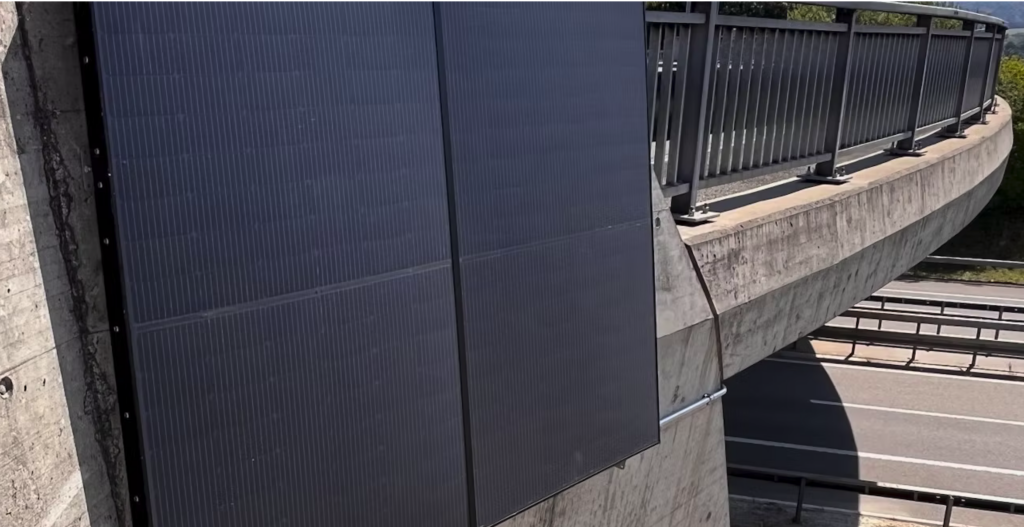
LightSeeds, fabricante suizo de sistemas fotovoltaicos verticales integrados todo en uno (módulo-sistema de montaje-anclaje), recibe una ayuda para su expansión al mercado europeo.
Why it matters: Vertical integration solves land-use permits where traditional racking fails; add it to your portfolio for high-value Agri-PV bids.
Vertical PV: Solving the Agri-Voltaic Headache
Let’s be honest: ground-mount solar in Europe is hitting a wall. Between the 'Danish Model' land-use restrictions and the endless permitting battles in the German Bundesländer, finding open space is a nightmare. Vertical PV—specifically the 'all-in-one' mounting systems like those from Swiss-based LightSeeds—isn't just a gimmick; it’s an exit strategy for developers facing high land-lease costs and community pushback.
Why the 'All-in-One' Matters for Your Bottom Line
The traditional vertical install is a labor-intensive, custom-engineered mess. You're buying modules from Tier 1 manufacturers, sourcing steel frames from local fabricators, and hoping the structural integrity holds under local wind-load codes (DIN EN 1991). When you buy a pre-engineered, integrated system, you aren't just buying hardware; you're buying reduced commissioning time.
The Reality Check: Don't expect this to replace your 50MW utility-scale project. The BOM (Bill of Materials) cost per watt for vertical integrated systems is significantly higher than a standard fixed-tilt rack. You’re trading steel costs for site availability. If you are pitching to a landowner in Bavaria or France who refuses to lose their grazing space, this is how you close the deal. If you're chasing the lowest LCOE on a barren field, keep walking.