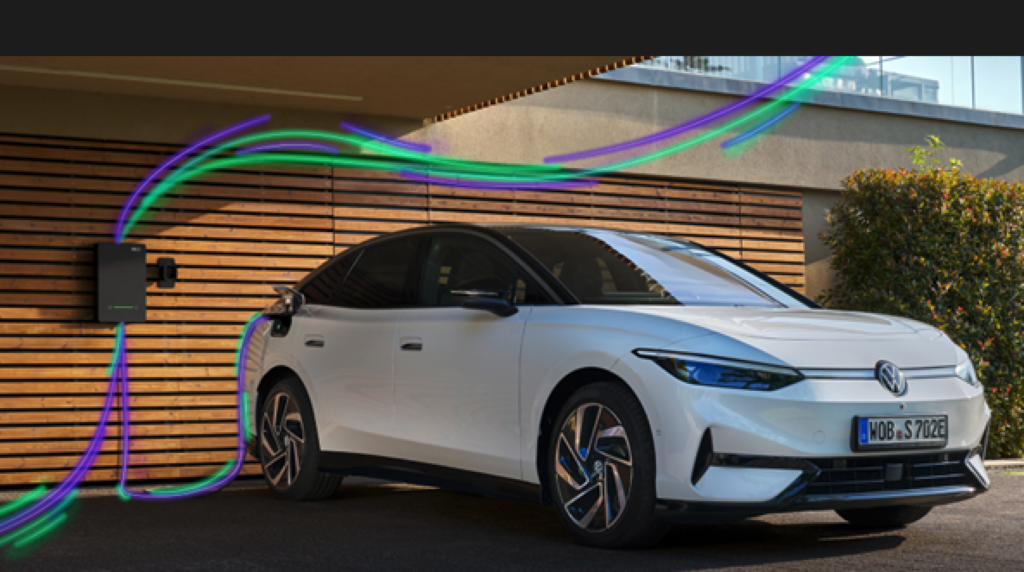
La oferta que lanzará Volkswagen en Alemania incluye vehículo eléctrico, aplicación, tarifa eléctrica dinámica, contador inteligente (smart meter), wallbox bidireccional en corriente continua (DC) y la instalación.
Why it matters: OEMs are turning residential charging into a walled garden; if you don't master EMS integration, you're just a glorified cable puller.
The OEM Wall-Garden is Closing In
Volkswagen isn’t just selling cars anymore; they’re selling the entire energy management ecosystem. By bundling a DC bidirectional wallbox with their ID. range and a dynamic tariff, they are effectively bypassing the traditional PV installer. If you are still selling 'panels and a standard inverter,' you are missing the shift: the home is becoming a grid-balancing asset, and the car is the biggest battery in the room.
Why DC Matters
The choice of DC bidirectional charging is the real kicker here. By avoiding the conversion losses inherent in the vehicle's onboard charger, VW is squeezing every percentage point of efficiency out of the V2G loop. For an installer, this renders traditional AC-coupled home storage look slightly archaic. If you aren't already training your crews on ISO 15118 protocol integration, you're going to lose the high-end C&I and premium residential market to OEMs who offer a 'plug-and-play' hardware suite.
The Margin Trap
If you’re a solar business owner, stop viewing the EV as an 'add-on.' It’s the centerpiece. You need to pivot your sales pitch from 'saving on electricity bills' to 'becoming a localized grid operator.' If you don't offer an open, vendor-agnostic energy management system (EMS) like Loxone or SolarEdge’s own ecosystem to manage these bidirectional flows, your clients will eventually just buy the VW bundle and kick you out of the garage.