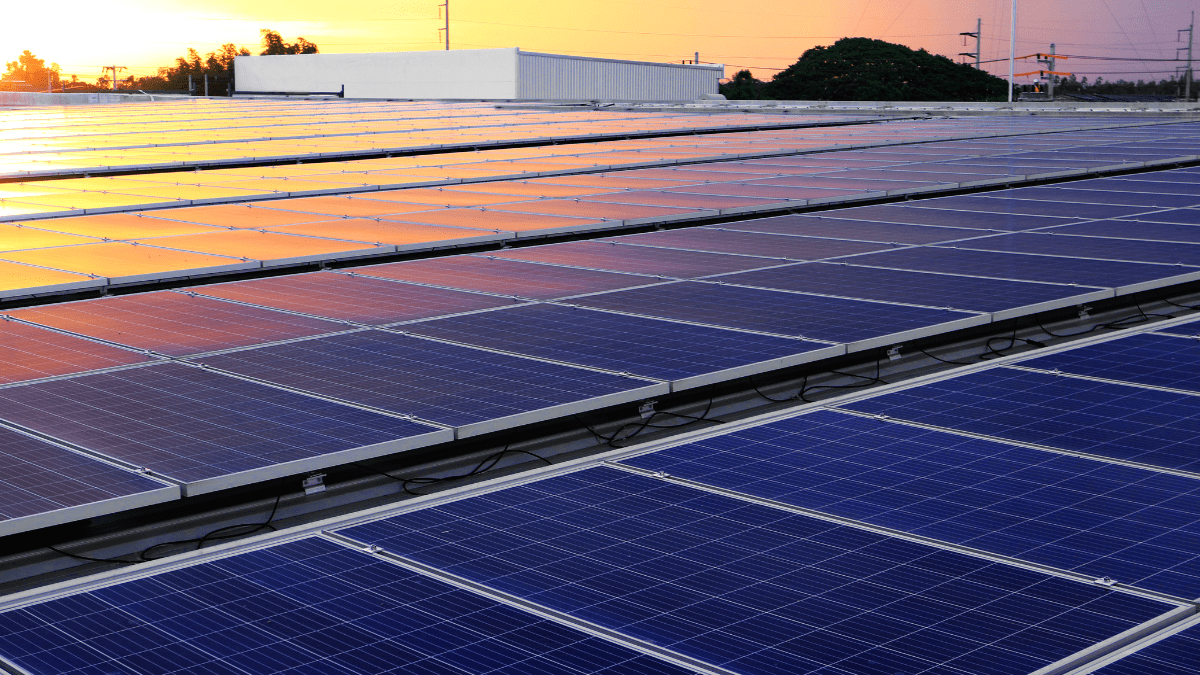
The PM Surya Ghar Muft Bijli Yojana in Andhra Pradesh promotes rooftop solar installations to provide free electricity, targeting marginalized households.
Why it matters: Global headlines about state-subsidized solar in India have zero impact on your margins; stay focused on local grid congestion and dynamic pricing.
Don't Bother Looking East for Business Lessons
Let's be blunt: the news of rooftop solar acceleration in Andhra Pradesh is irrelevant to your daily grind in Berlin, Madrid, or Utrecht. While the PM Surya Ghar scheme is a massive social engineering project in India, it operates on a fiscal and regulatory planet entirely separate from the European market.
The Divergent Reality
Your business is currently fighting a war of attrition on margins and navigating the complexities of the EU’s RED III (Renewable Energy Directive). The Indian model relies on heavy central government subsidies to drive adoption among low-income households. In Europe, we are increasingly moving toward market-driven self-consumption, dynamic pricing via smart meters (as mandated by the Electricity Market Design reform), and the integration of V2G (Vehicle-to-Grid) technology.
Stop reading about massive, subsidized state rollouts in emerging markets. Instead, focus on how your local DSO (Distribution System Operator) is managing grid congestion. That is where your next project’s profit—or its cancellation—will be decided.