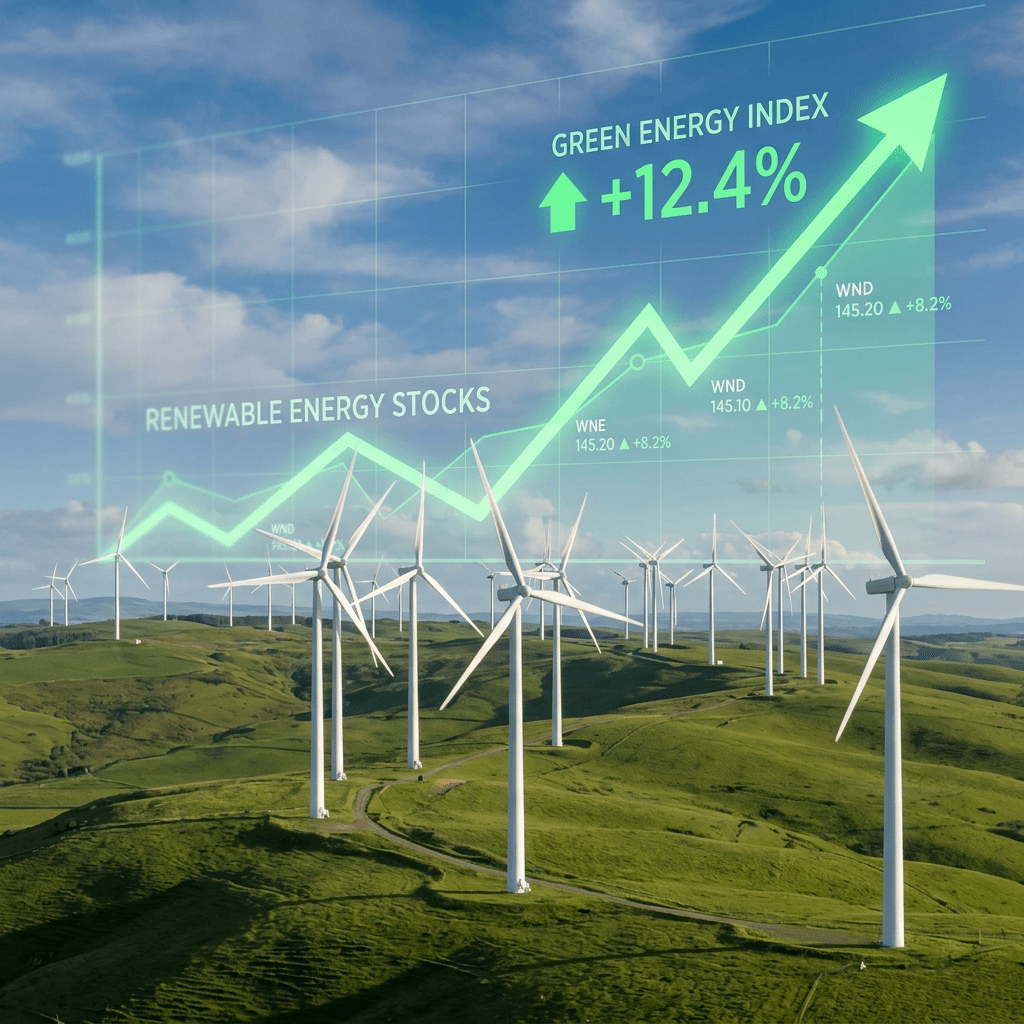
On April 16, 2026, the Indian green energy sector demonstrated positive momentum despite a generally weak broader market.
Why it matters: Stop watching foreign stock tickers; focus on your local supply chain and labor costs if you want to stay solvent this year.
Let’s be honest: tracking the stock performance of Inox Wind or Adani Green is a spectator sport for institutional hedge fund managers, not a strategy for a PV installer in Hamburg or Lyon. If you’re spending your morning coffee reading about the Bombay Stock Exchange, you’re missing the actual signal buried in the noise.
The Reality of Market Decoupling
The resilience of Indian green stocks in a 'weak broader market' is a macroeconomic curiosity, not a roadmap for European SMEs. When the EU’s Renewable Energy Directive (RED III) and the Net-Zero Industry Act are tightening procurement standards and demanding supply chain transparency, the delta between Indian utility-scale dynamics and your local rooftop business couldn’t be wider.
Here is the uncomfortable truth:
If you want to know if your business is safe, don't look at a stock ticker from New Delhi. Look at the local feed-in tariff adjustments in your specific region or the current lead times for bifacial modules from JinkoSolar or Trina. The 'resilience' of big-cap green stocks is a luxury that doesn't filter down to the field level. Focus on your inventory turnover and your labor productivity—that’s where the real market volatility is actually hitting home.