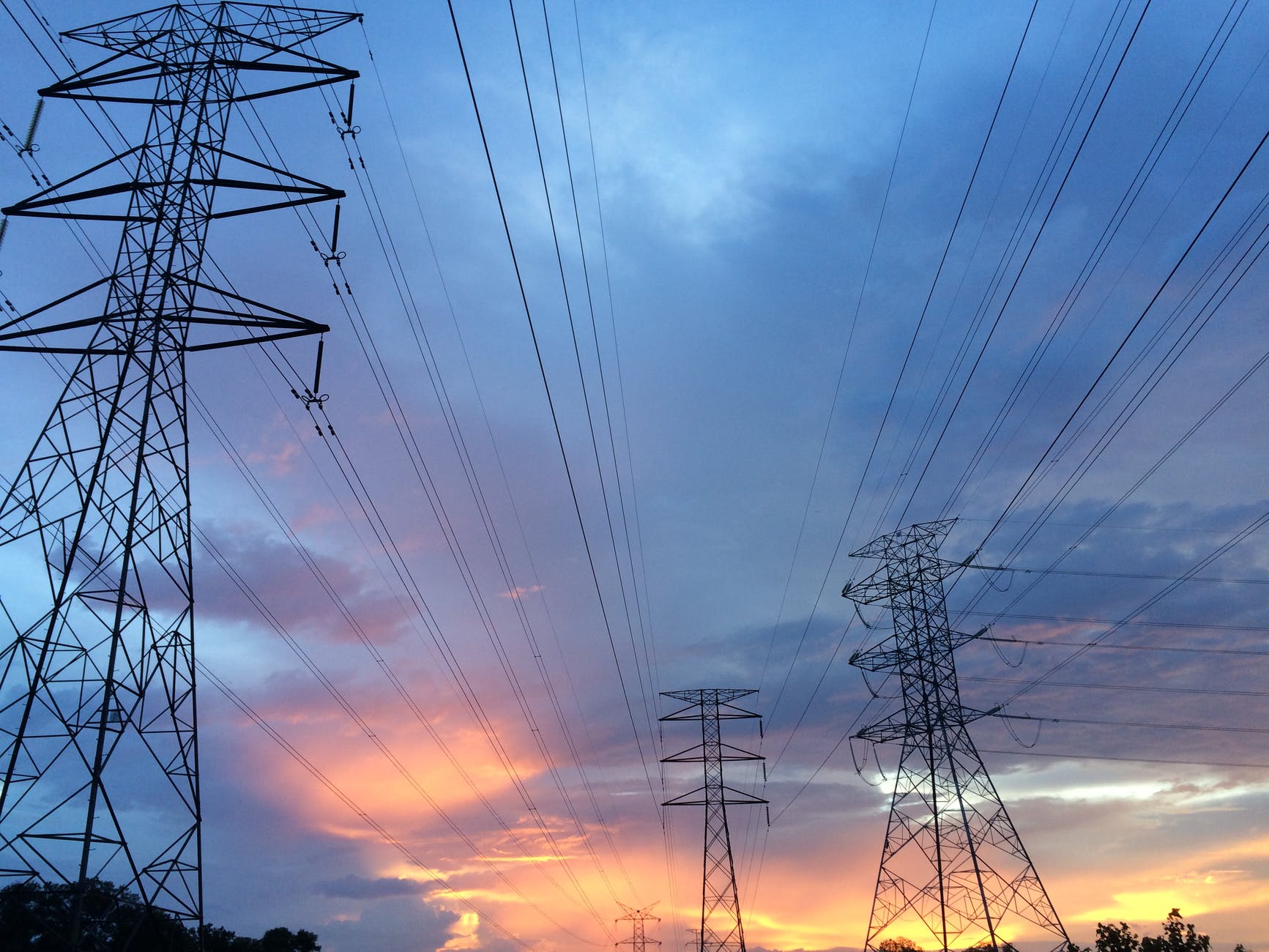
Adani Energy Solutions Limited has launched a 1,000 MW HVDC transmission link to enhance electricity supply in Mumbai, featuring a mix of overhead and underground infrastructure.
Why it matters: Grid congestion is the new project killer — if your installation isn't grid-aware, it's already obsolete.
The Infrastructure Bottleneck is Universal
At first glance, a 1,000 MW HVDC link in Mumbai feels like a world away from your residential rooftop business in Bavaria or a C&I installation in the Netherlands. But look closer. The grid-edge realities of Mumbai—denser urban load, volatile demand, and the desperate need to integrate renewables—are the exact same pressures stalling your projects across Europe.
Why Grid Congestion Hits Your Margin
We are currently obsessed with module efficiency and inverter warranty terms, but the real ceiling for your business is the distribution system operator (DSO) queue. Just as Mumbai required a multi-million dollar HVDC injection to prevent further blackouts, your growth is capped by local transformer capacity. If you aren't factoring in grid-hosting capacity constraints as a primary project risk, you're building on sand.
The lesson here is simple: energy transition is a transmission and distribution game, not just a generation game. If you're ignoring the grid’s physical limitations, you are ignoring the biggest threat to your 2026 backlog. The days of 'plug and play' solar are dead; the age of 'grid-integrated, load-balanced' solar is the only way to ensure your projects actually get energized.