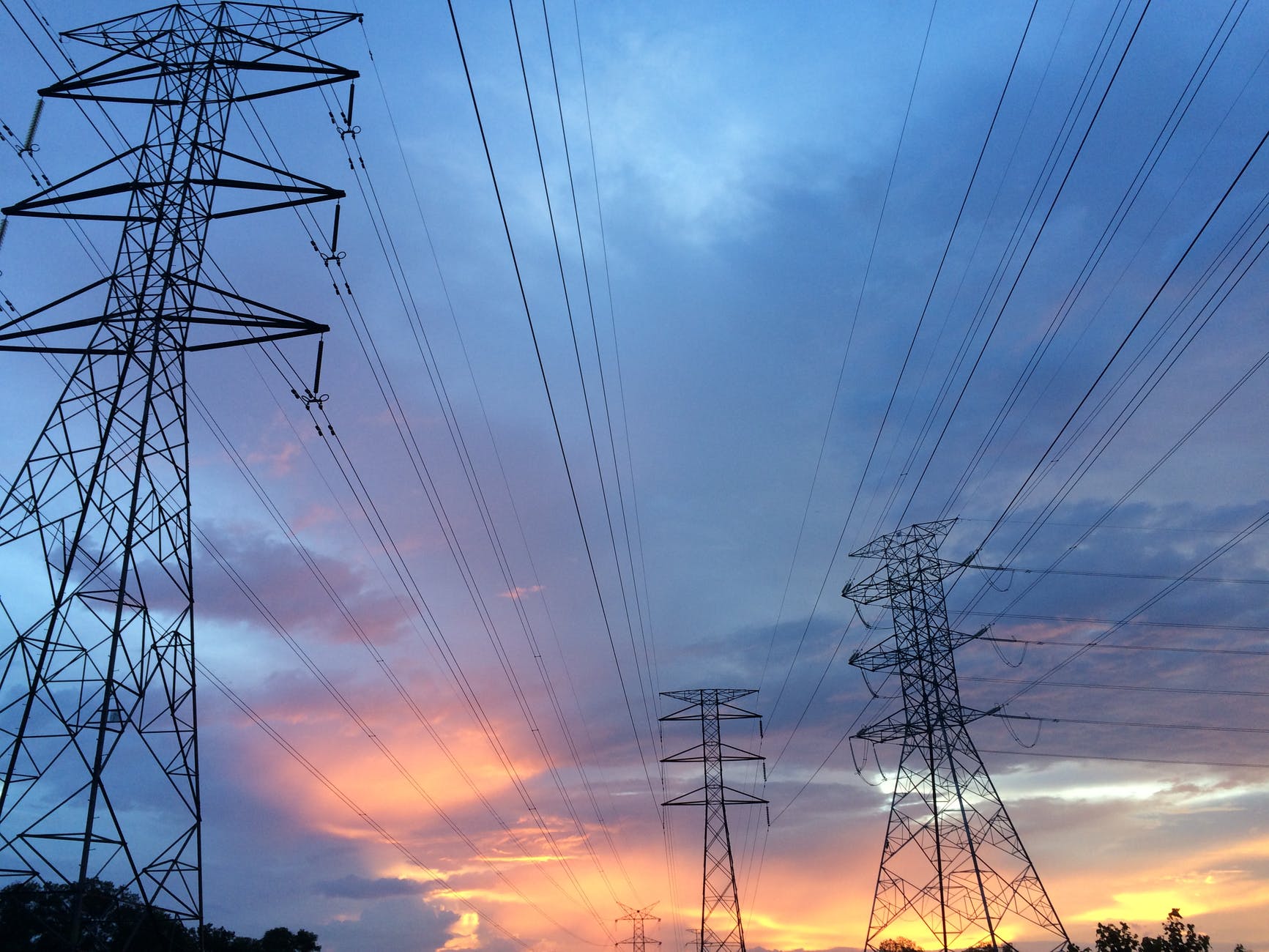
SWELECT Energy Systems Limited has commissioned a new 110/33 KV Pooling Substation in Sirungattur, Tamil Nadu, operational since April 16, 2026.
Why it matters: This story is noise. If you’re building in Europe, focus on your local DNO queue times, not grid upgrades 7,000km away.
Let’s be honest: a 50 MW substation commissioning in rural India is the solar equivalent of watching paint dry. While it’s a milestone for the local utility infrastructure in Sirungattur, it offers zero actionable insight for a project developer in Brandenburg or a commercial installer in Lyon. The operational dynamics of grid connection in Tamil Nadu have roughly as much relevance to your P&L as the weather in Antarctica.
The Real European Grid Headache
If you want to talk about grid bottlenecks, stop looking at emerging market announcements and start looking at the EU’s Electricity Market Design reform. While SWELECT is busy with 110/33 KV hardware, European developers are fighting a war against curtailment risk and grid connection queues that stretch into 2027.
Stop chasing international headlines about basic infrastructure. If you’re a solar professional, your time is better spent reviewing how the Ten-Year Network Development Plan (TYNDP) will actually impact your local interconnection costs. A 50 MW connection in India won’t help you win a tender for a 2 MW corporate PPA in the Netherlands. Ignore the fluff; focus on the grid-parity math that actually keeps your doors open.