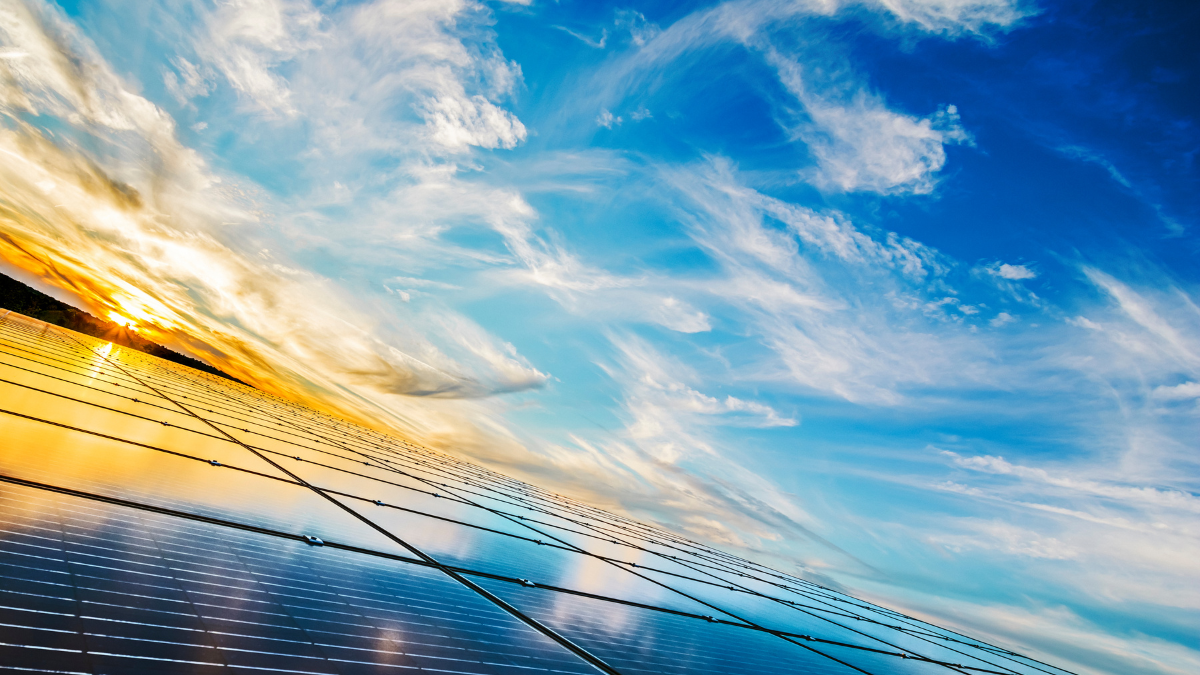
Micro-optimizers enhance solar photovoltaic (PV) systems by managing individual panel performance, allowing each panel to operate independently. They improve energy yield, especially in shaded conditions, and provide module-level monitoring for fault detection.
Why it matters: Stop adding optimizers to every quote; unless you have shading or safety mandates, you're just paying for extra parts that will eventually fail.
The Hidden Tax on Your Profit
We’ve been debating the 'optimizer vs. string' war for a decade, and frankly, the industry is stuck in a loop. Every time a trade rag like this pops up with 'Efficiency Boost' as a headline, I see installers throwing away margin on projects that don't need it. Let’s get real about the physics and the P&L.
When to Actually Use Them
The "Efficiency" Trap
The original article pedals the idea that optimizers 'boost efficiency.' That’s a dangerous oversimplification. They manage mismatch. If your site has a clear, southern-facing roof with zero shading, adding a module-level optimizer is just adding a potential failure point—an electronic component sitting at 70°C+ on a roof for twenty years. Every micro-component is a future service call. In a market where labor costs are skyrocketing, why increase your O&M liability for a 1.5% yield gain that the client won't notice?
The Bottom Line
If your project is a 50kW C&I shed in the Netherlands with a clean south-facing pitch, dump the optimizers and put that money into high-quality bifacial modules from JinkoSolar or LONGi. You’ll get better degradation rates and a cleaner, more reliable inverter string. Only reach for the optimizer box when the site geometry leaves you no other choice. Stop selling complexity unless the physics demands it.