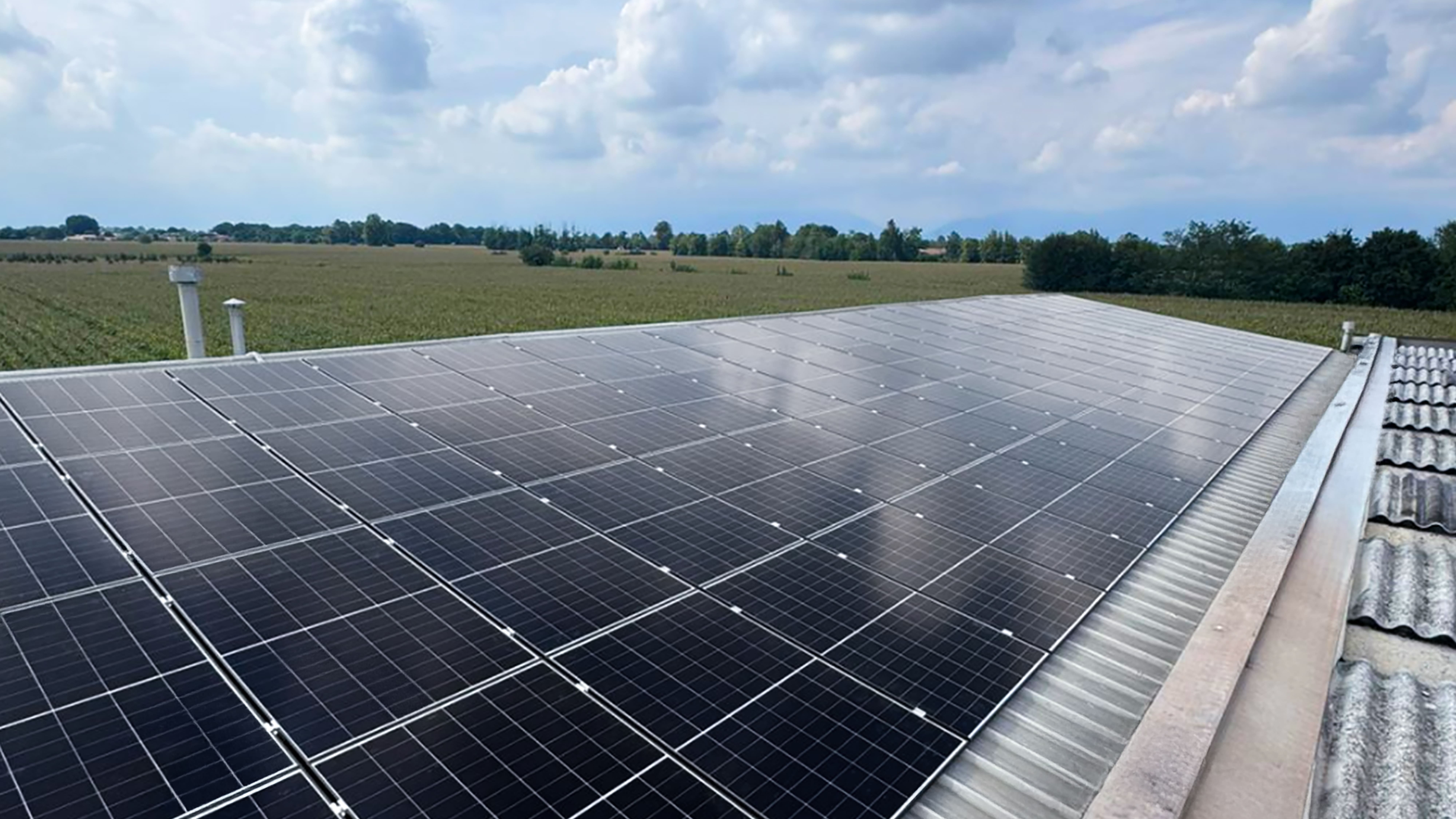
La metalúrgica Vercar, situada en Castelfranco Veneto, Italia, ha puesto en marcha una planta integrada por 208 módulos fotovoltaicos modelo Aiko Neostar 470 W, un inversor Synergy SE90K de 90 kW y 104 optimizadores.
Why it matters: Heavy industry clients need high-efficiency, shade-tolerant systems to hedge against volatile electricity prices; lead with the ROI, not the hardware specs.
The Heavy Industry Playbook
Don't be fooled by the 98 kWp nameplate capacity—this isn't just another rooftop job. Vercar’s choice of Aiko Neostar 470 W ABC modules for a metalworking facility in Veneto signals a shift in how C&I developers should be pitching to energy-intensive SMEs across Europe.
Why this matters for your margins:
The Reality Check: If you're an installer, start looking for 'Tier 2' industrial clusters—the metal workers, the plastic injection molders, the food processors. They have the roof space, they have the high consumption, and they have the capital budget to bypass standard ROI calculations. Stop selling 'solar panels' and start selling 'industrial energy independence.' If your proposal doesn't include a degradation guarantee analysis for high-heat environments like a foundry roof, you aren't competing for these projects—you're just participating.