Fears of a ‘coal comeback’ triggered by the Iran war energy crisis are not supported by the data.
Why it matters: The coal comeback never happened; stop designing systems based on 2022 price panic and start building for 2025's volatility.
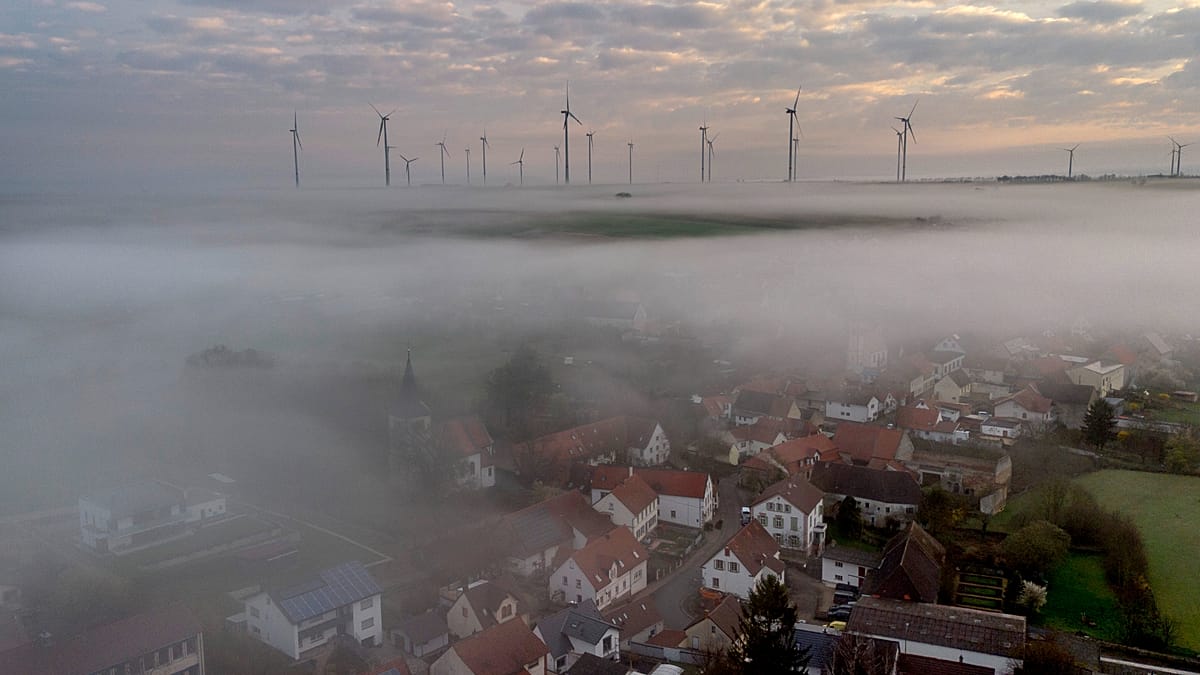
Fears of a ‘coal comeback’ triggered by the Iran war energy crisis are not supported by the data.
The Infrastructure Lock-in is Real
We spent the last two years listening to panicked commercial clients demand diesel generators and 'dual-fuel' readiness because of energy price volatility. This report confirms what the grid data has been screaming: fossil fuel reliance is a structural decline, not a temporary blip. If your sales pitch still relies on 'energy security' through fossil-fuel hedging, you are selling a 2022 solution to a 2024 problem.
The CAPEX Pivot
For the installer, this shift mandates a change in your project pipeline. Stop quoting C&I systems that prioritize peak-shaving against coal-heavy grid prices. Instead, pivot your proposals toward dynamic tariff optimization and BESS-integrated arbitrage. If you are still installing 'solar-only' systems in Germany or the Netherlands, you are leaving the most profitable half of the contract on the table.
The market has clearly spoken: renewables are now the cheapest baseload. When you talk to your next developer, stop explaining *why* they should switch—they already know. Start explaining how your specific storage integration (look at the Sungrow or SMA commercial modular units) will handle the volatility that the disappearing coal fleet left behind. If you can't model the negative pricing capture for a 500kW site, you’re not an energy professional—you’re a hardware salesman, and that’s a dying business model.