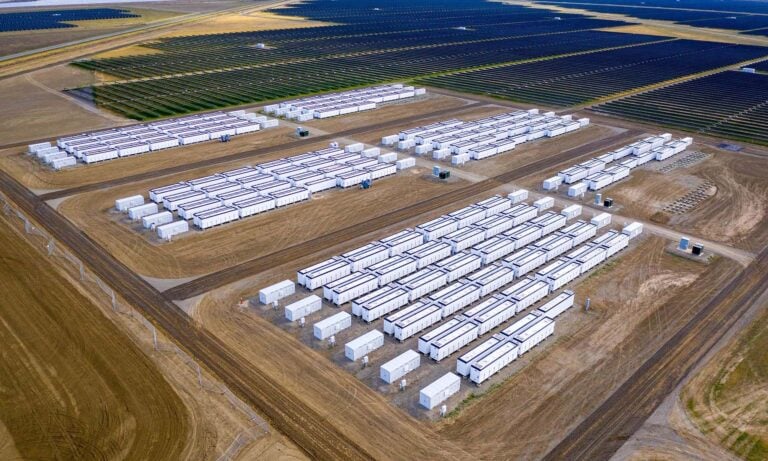
Recurrent Energy Australia has achieved grid connection approval under clause 5.3.4 of the National Electricity Rules from the Australian Energy Market Operator (AEMO) for its Sundown Energy Park.
Why it matters: Grid approval is no longer a milestone — it's a bottleneck that can bankrupt your project if you don't bake the cost of grid-forming tech into your initial bid.
The Approval Trap
Don't let the headline fool you. While Recurrent Energy (a subsidiary of Canadian Solar) celebrating a 5.3.4 grid connection in Australia sounds like a win, it’s a grim reminder of the bureaucratic quicksand we face in Europe. AEMO’s 'rigorous' process is essentially the antipodean version of the grid congestion nightmares currently strangling the German Netzanschluss process.
Why This Isn't Your Win
If you're an EPC or a developer in the EU, stop looking at Australian grid connection timelines as a benchmark. Here is the reality of the landscape:
The lesson isn't that Recurrent is winning; it's that connection is the new hardware. If your project development team isn't factoring in a 24-month grid wait time and a 15% budget contingency for grid-strengthening equipment like STATCOMs or BESS balancing, you are building an expensive piece of art, not a power plant.