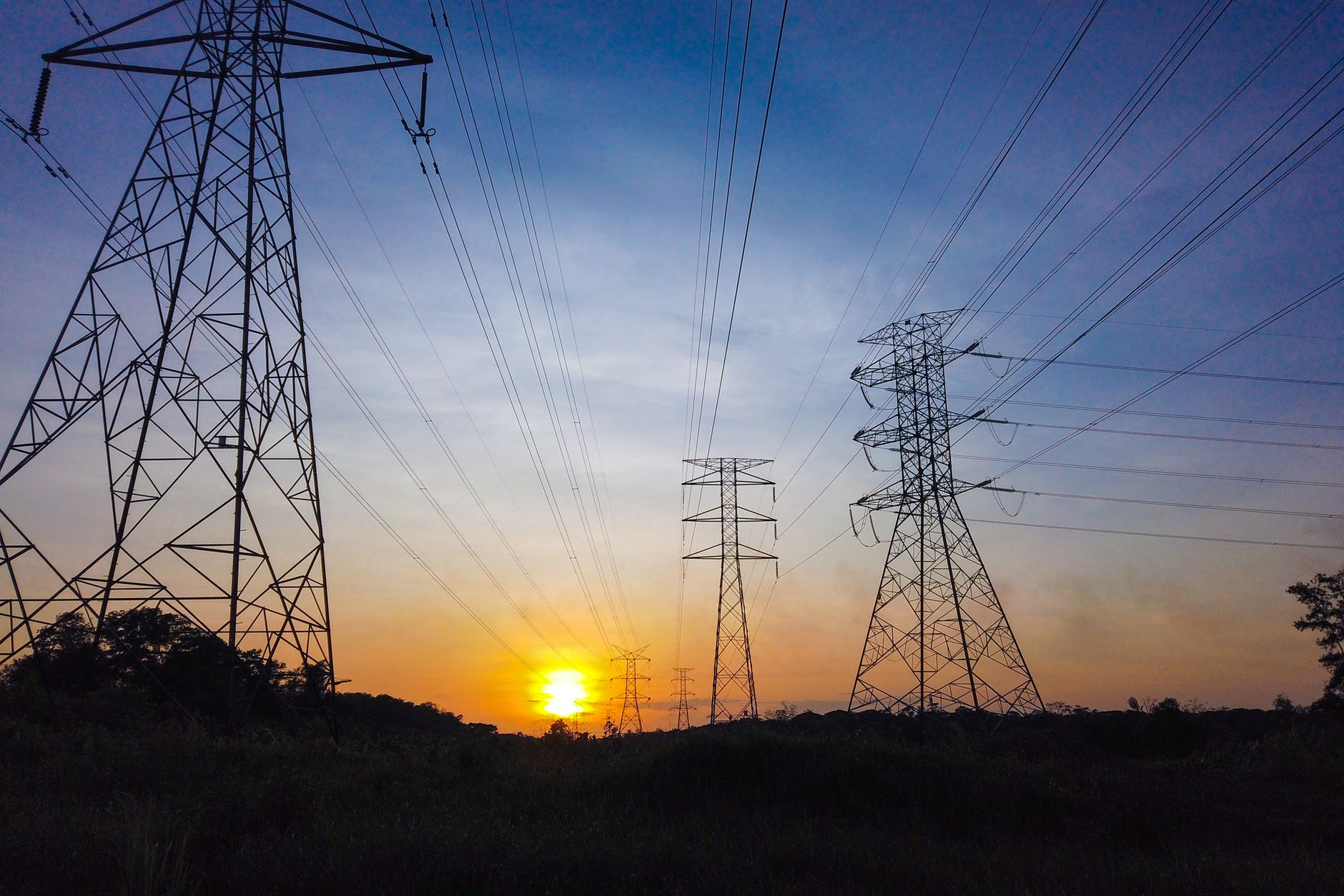
Unplanned outages caused significant capacity losses, stressing the need for a decentralized and diversified energy approach to improve resilience and ensure stable electricity supply amidst rising demand and climate challenges.
Why it matters: Centralized grid fragility is the biggest tailwind for your storage sales — stop selling panels and start selling uptime.
The 'Baseload' Obsession is Killing Your Grid Stability
We see the same story playing out from Manila to Madrid: an over-reliance on massive, centralized thermal plants creates a single point of failure. When a 600MW coal or gas block in the Philippines trips, the grid wobbles. When a 1GW nuclear or gas unit goes offline in France or Germany, the day-ahead market turns into a casino.
Why This Isn't Just 'Third-World' News
You might think, 'I install residential solar in Bavaria, why do I care about Luzon?' Because the regulatory shift toward microgrids and virtual power plants (VPPs) is the only logical response to this fragility.
Stop pitching 'saving on the bill' and start pitching 'energy autonomy.' If you aren't spec'ing hybrid inverters with full black-start capability—think Victron or Fronius for C&I—you’re selling a product that’s already obsolete. The market is moving from a 'commodity' model to a 'resilience' model. If you can prove to a factory owner in Poland that their line won't stop when the local substation drops, you stop competing on panel price and start competing on uptime. That’s where the real money is in 2026.