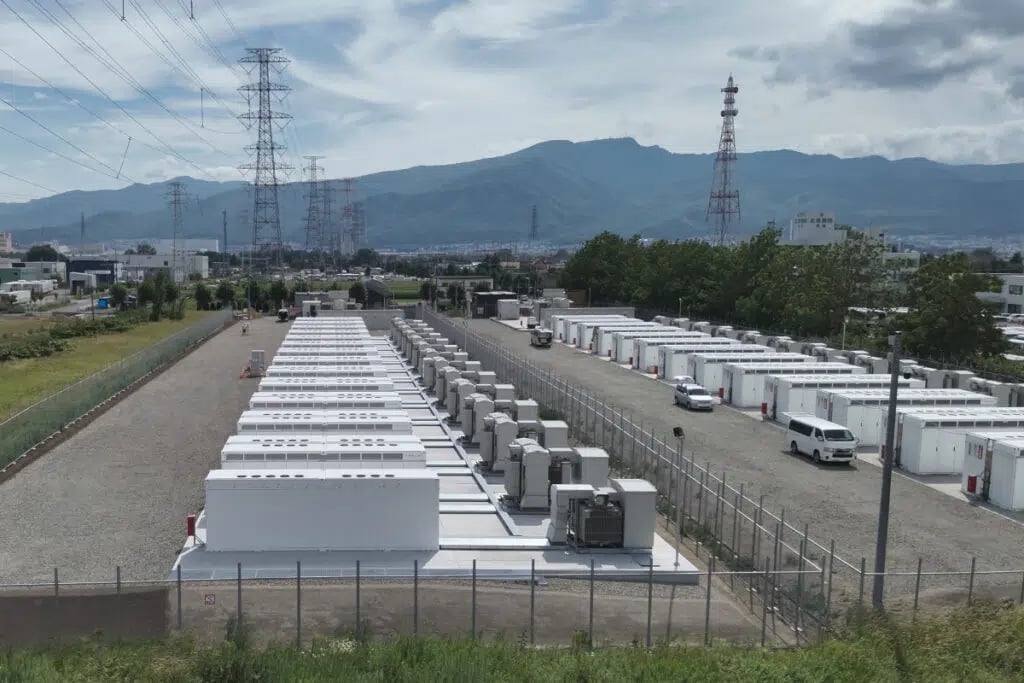
HD Renewable Energy and utility Tokyo Gas signed a deal for two large-scale projects in another busy week for Japan’s growing battery storage market.
Why it matters: Grid congestion is no longer a localized problem; if your clients aren't backing up solar with BESS, they're betting their ROI on a grid that is already failing.
The Japanese Mirror
At first glance, a 150MW BESS deal between Tokyo Gas and HD Renewable Energy feels like a world away from your next residential install in Bavaria or a C&I project in Murcia. But look closer. Japan is currently grappling with the exact same 'duck curve' and curtailment nightmare that is rapidly turning the EU’s most profitable solar markets into volatility traps.
Why the Japan-EU Link Matters
The play here is clear: trading, curtailment mitigation, and disaster relief. In Japan, the 'disaster relief' angle is unique to their geography, but 'trading and curtailment' are universal. If your solar proposal in 2025 doesn't include a revenue stack from FCR (Frequency Containment Reserve) or similar grid-balancing markets, you’re leaving money on the table. A 150MW system isn't just storage; it's a grid-management asset. If you aren't talking to your clients about how a 100kWh BESS can buffer against €0/MWh spot prices, expect your competitors to eat your lunch when the next wave of grid-connection constraints hits your region.