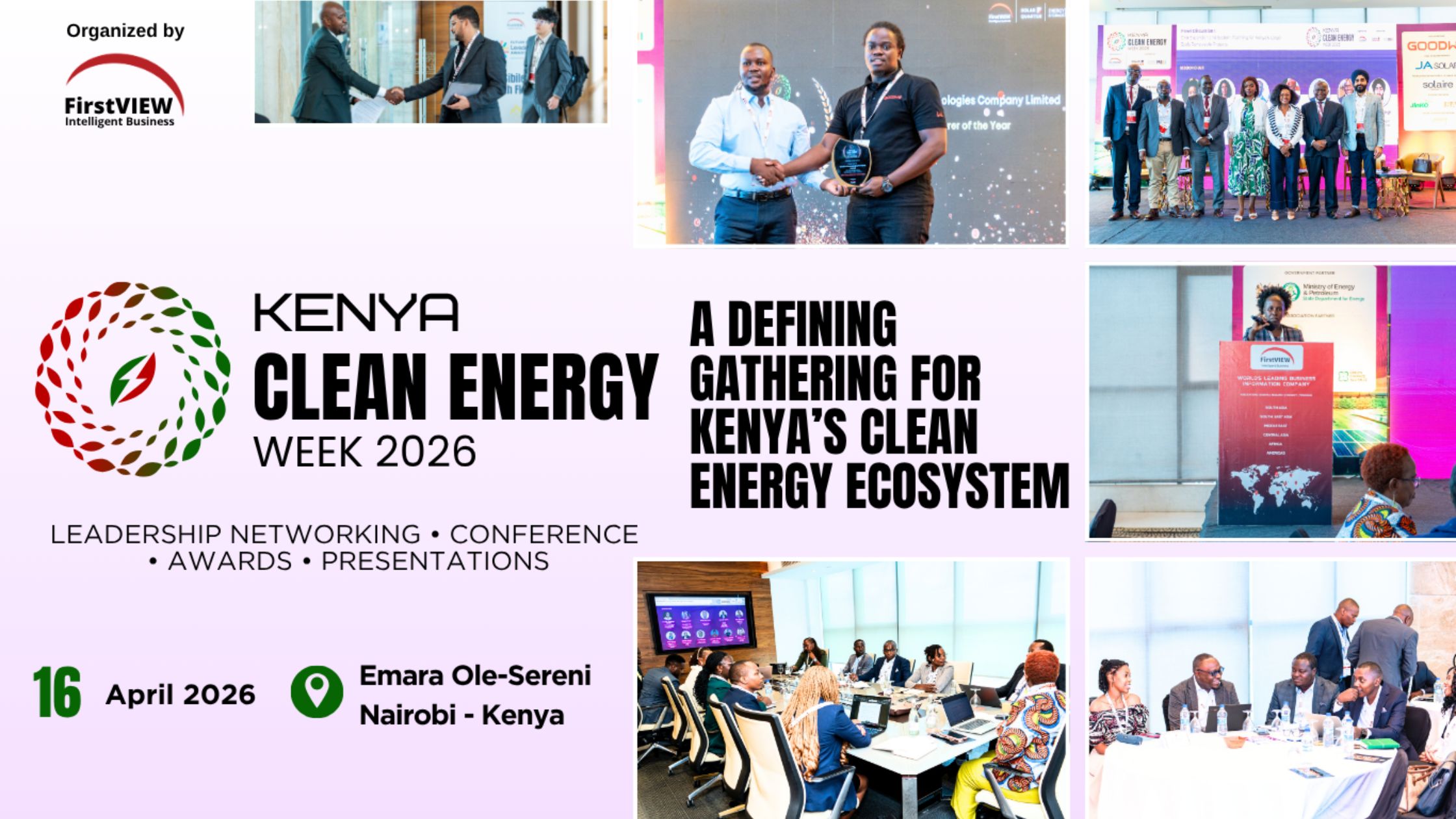
Kenya Clean Energy Week 2026 united East African renewable energy stakeholders in Nairobi for policy discussions, technology showcases, and investment strategies.
Why it matters: Save your attention for EU-specific regulatory shifts; Nairobi’s policy chatter has zero impact on your local project margins.
If you're a European installer or EPC wondering how Kenya’s latest industry jamboree impacts your bottom line, I’ll save you the mental bandwidth: it doesn't.
We see these headlines weekly—glossy PR pieces about 'policy discussions' and 'collaborative efforts' in emerging markets. While the sentiment is nice, it’s entirely disconnected from the reality of your day-to-day operations in the EU. You aren’t dealing with East African grid expansion; you’re dealing with the Net-Zero Industry Act, complex grid connection queues in the Netherlands, and trying to keep your margins above double digits while hardware prices fluctuate.
The Real Disconnect
Don't fall for the 'global industry' trap. Unless you are actively bidding on projects with Tier-1 developers like Scatec or Voltalia in emerging markets, this is white noise. Your time is better spent analyzing why your BESS commissioning time is slipping by 15% or checking if your supply chain is compliant with the latest EU UFLPA-style import bans. If you’re at Intersolar looking for leads, Nairobi’s policy framework isn't going to help you move a single pallet of modules.