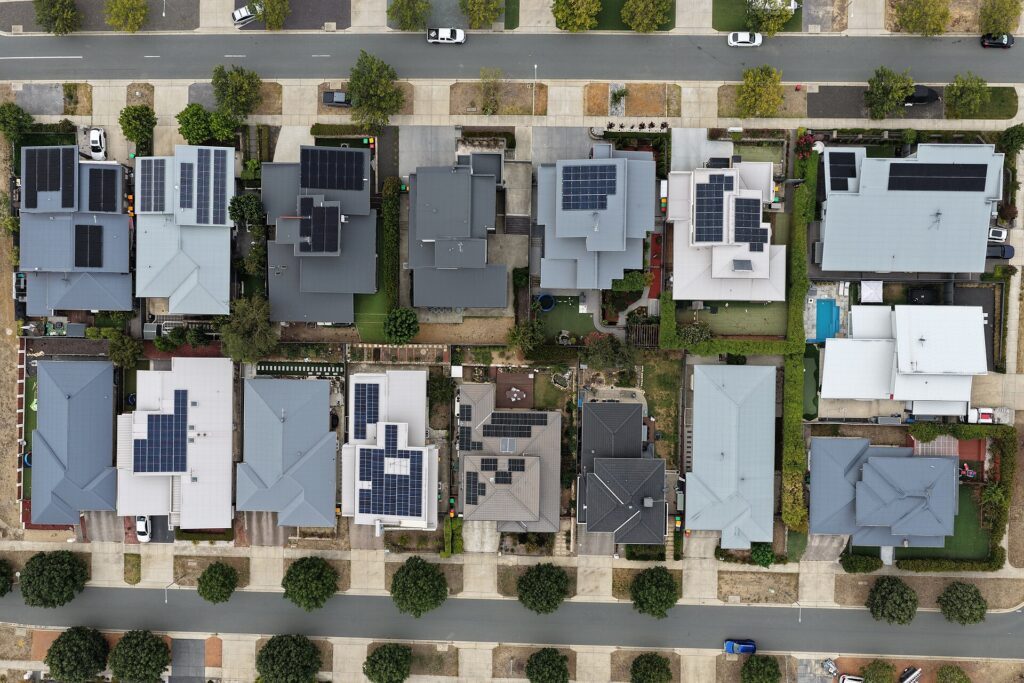
El efecto rebote fotovoltaico se produce cuando las instalaciones fotovoltaicas residenciales conllevan un aumento del consumo eléctrico de los hogares, y según un reciente estudio podría generar costes adicionales en el sistema europeo de hasta 23.500 millones de euros anuales.
Why it matters: Grid operators will target high-consumption residential prosumers; if your systems lack smart load management, your customers' ROI will vanish under new grid fees.
The Hidden Cost of 'Free' Kilowatts
We’ve all seen it: a homeowner installs a 6kWp system with a nice inverter, and suddenly the A/C stays on an extra three hours a day because 'it’s free energy.' This is the rebound effect, and while it might seem like a win for the client, it’s a systemic nightmare that’s going to hit your business model hard when grid operators start shifting the goalposts.
The Math That Hits Your Bottom Line
The figure of €23.5 billion in annual costs isn't just an abstract statistic; it’s the regulatory justification for grid operators to kill net-metering schemes. When residential demand spikes because of poor load management, the local transformer capacity is the first casualty. We are already seeing this in the Netherlands, where grid congestion is forcing installers to pivot toward 'smart' energy management rather than just chasing peak production.
If you keep selling solar as an infinite fountain of energy, you're doing your clients—and yourself—a disservice. The future isn't just putting panels on roofs; it's managing the electrons behind the meter before the grid operator decides to charge your customer for the privilege of existing.