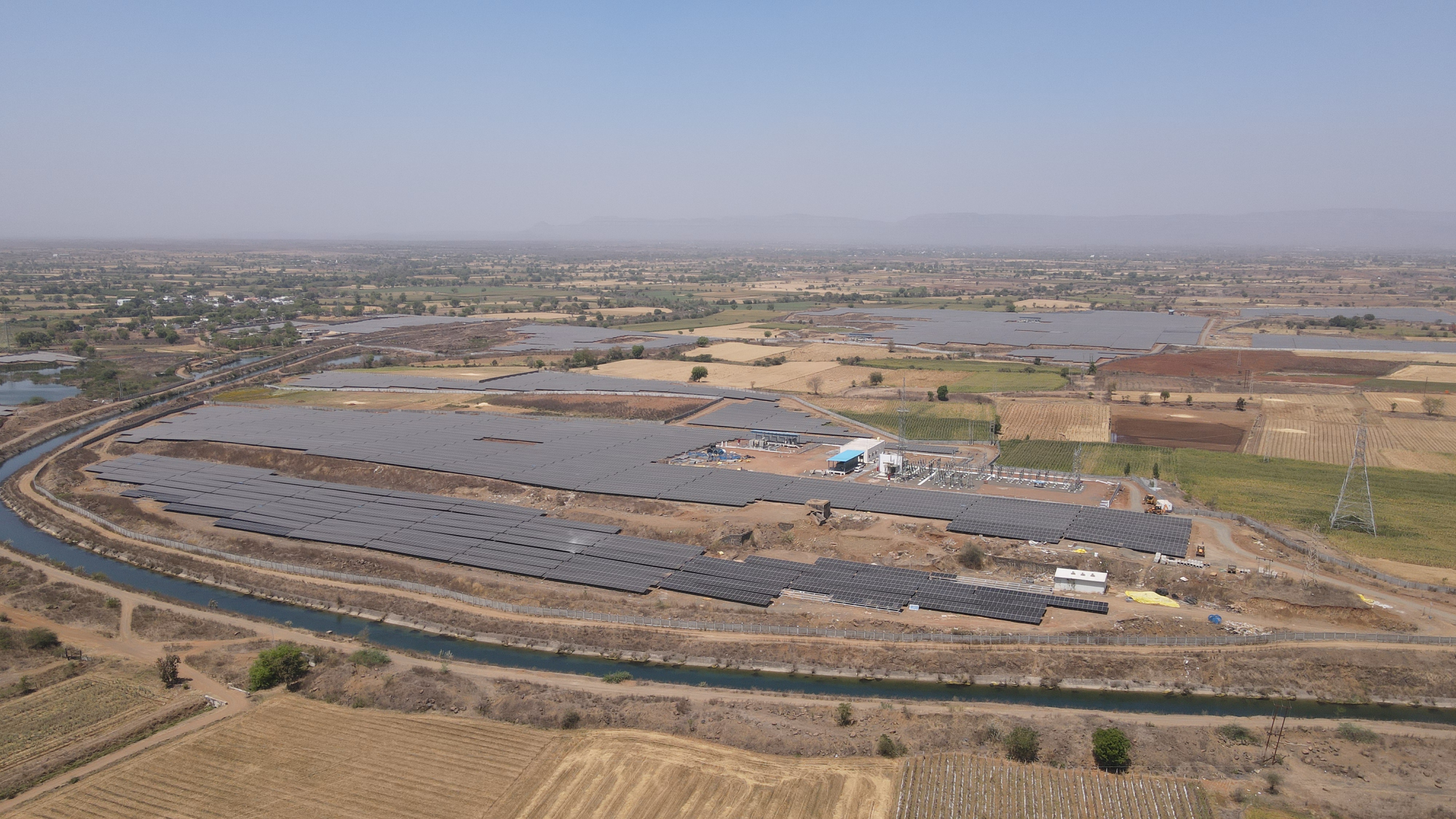
Indore has launched a 60 MW solar power plant in Jalud, developed by Rays Power Infra Limited, under the Ministry of New and Renewable Energy.
Why it matters: Save your attention for local regulatory shifts; this Indian project won't help you navigate the European grid crisis or margin compression.
The Hard Truth About Global Solar News
Let’s be blunt: a 60 MW project in Madhya Pradesh, while a nice win for the local municipal budget in Indore, is white noise for a European solar professional. Unless you are currently sourcing components from Rays Power Infra or operating in the Indian sub-continent, this headline offers zero actionable intelligence for your Q3 strategy.
The Real Divergence
While Indore celebrates a ₹271 crore investment, the European market is currently wrestling with the Net-Zero Industry Act (NZIA) and the brutal reality of price cannibalization during peak solar hours. The economic drivers here are fundamentally different:
If you see a 60 MW project summary and find yourself trying to apply lessons to your rooftop installation business in Bavaria or a utility-scale play in Portugal, stop. The regulatory landscape, the labor costs, and the grid integration hurdles are not comparable. Save your mental bandwidth for the upcoming European solar auction results and the specific impact of the European Solar Charter on your local supply chain. A project in Jalud is a reminder that the world is installing capacity at record speeds, but it won't help you clear your current inventory of overstocked Chinese-made inverters or navigate the mounting interconnection queues in the Netherlands.