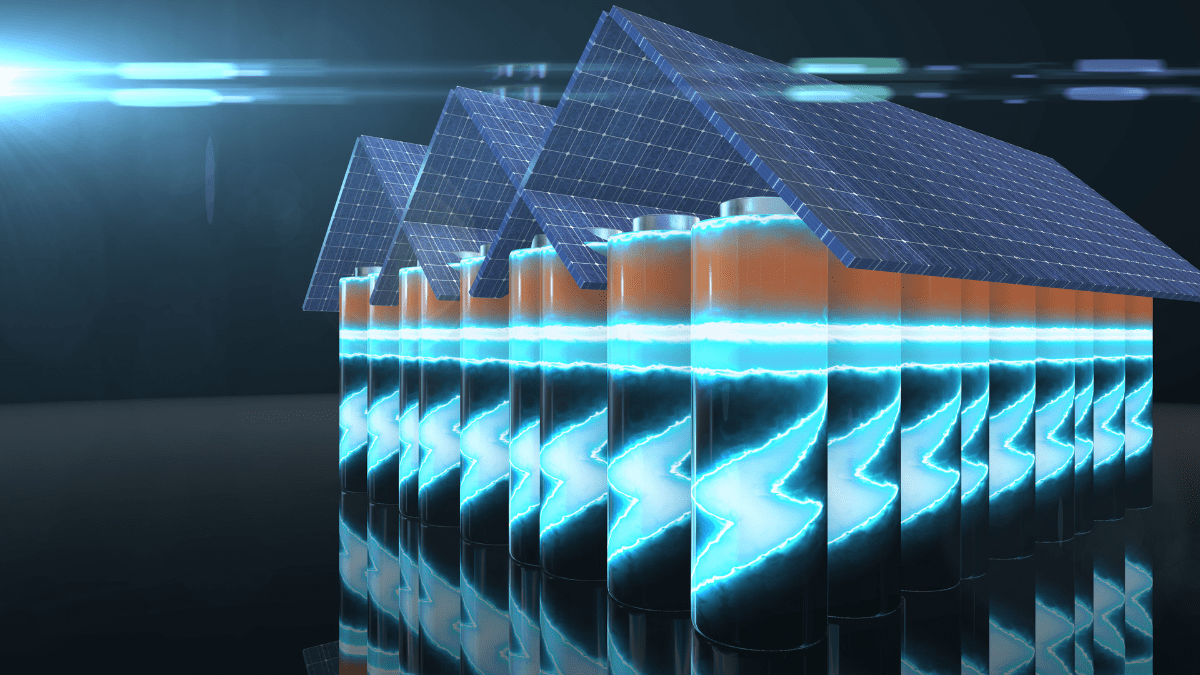
Construction has started on a 100 MW photovoltaic-storage-data integration project in Delingha, aimed at enhancing renewable energy infrastructure.
Why it matters: Data centers need power and stability, not just panels. If you can bundle storage with solar to solve their peak-load issues, you win the RFP.
The Qinghai Model: Why Your C&I Pipeline Needs a Pivot
We see these headlines from China’s remote provinces and tend to dismiss them as local industrial policy. Don't. While Delingha is a world away, the fundamental architecture—pairing 100MW of PV with a 30MWh BESS specifically to feed a data center—is the exact blueprint for the next phase of European C&I development.
Why this isn't just another green-washing project:
If you’re still selling rooftop solar as 'save money on your bill,' you’re missing the boat. In Germany, where grid fees and Redispatch 2.0 regulations are eating into margins, the real money is in behind-the-meter integration. Companies like Equinix or Digital Realty aren't looking for a panel installer; they are looking for an energy partner who can navigate the complexities of dynamic pricing and grid stability.
The Pro-Tip: Stop pitching 'solar installations' and start pitching 'infrastructure resilience.' If you can show a client how a 2MW BESS coupled with a solar array lowers their peak load charges during a summer heatwave, you aren't competing with the guy down the street on price per watt anymore. You're in the business of reliability—and that’s where the high-margin contracts live.