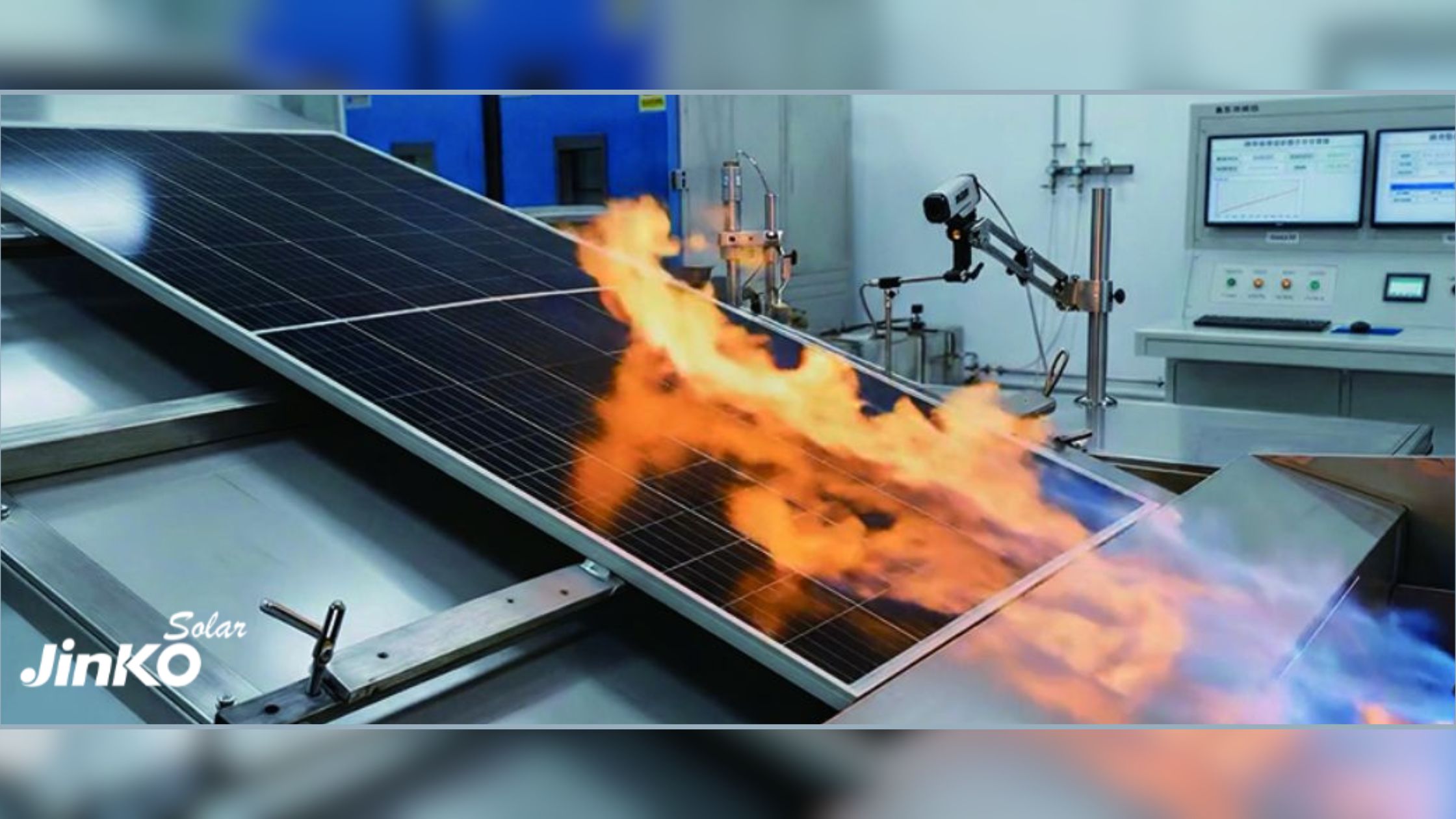
JinkoSolar’s Five-Star Fire-Resistant Modules utilize a five-layer active protection system, significantly enhancing safety compared to conventional models. They offer dual Class A fire ratings, advanced flame-retardant materials, and enhanced protection against electrical faults and extreme weather.
Why it matters: Insurance premiums for PV rooftops are soaring; if these modules actually reduce risk, they might be the only way to get a project insured in 2027.
Another day, another Tier-1 manufacturer trying to solve a problem that insurance companies have been screaming about for years. JinkoSolar is leaning hard into the 'safety' narrative with its new Five-Star modules. But let’s look past the marketing gloss: does this actually change the risk profile of your next rooftop project?
The Insurance Reality Check
In the EU, specifically under German VdS 3145 guidelines or the increasingly stringent Fire Class A requirements across the DACH region, installers are already under immense pressure to mitigate fire spread. If Jinko’s proprietary 'five-layer' architecture actually passes independent testing (UL 790 or IEC 61730-2) with a better spread-of-flame index, it’s a win for the residential installer trying to get a policy approved on a thatched roof or high-density timber construction.
Where the 'Five-Star' Hype Hits a Wall
Ultimately, if you’re working in the luxury residential sector, this is a great sales tool. For the average EPC project, it’s just another product to vet. I’ll wait for the third-party lab reports from Fraunhofer before I start ripping out my current supplier’s spec sheet. Marketing claims are cheap; liability insurance premiums are not.