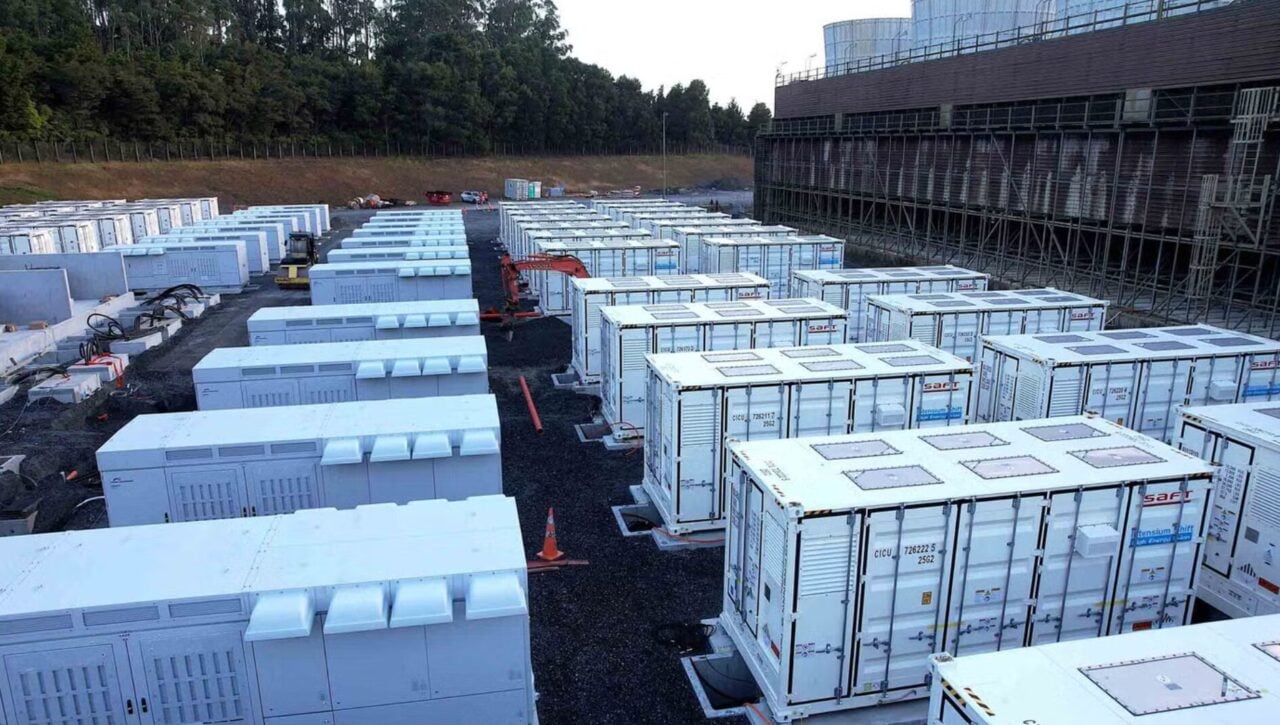
Genesis Energy has reached Final Investment Decision (FID) on the second stage of its Huntly battery energy storage system (BESS).
Why it matters: Utility-scale storage is becoming a commodity; if your C&I proposals don't include BESS, you're leaving the most profitable half of the project on the table.
The Kiwi Model vs. Your P&L
New Zealand isn't just about sheep and scenery; Genesis Energy’s move to push forward with stage two of the Huntly BESS reveals a shift in the global cost curve that every European integrator needs to respect. While you're still fighting over procurement costs for Tier-1 modules, the utility-scale battery market is rapidly transitioning from a 'premium add-on' to a standard commodity arbitrage play.
Why This Matters for Your Next Proposal
If you are still selling PV-only systems to C&I clients in the Netherlands or Germany, your business model has a sunset clause. Here is the reality check:
Stop pitching 'energy independence' to your commercial clients. Start pitching 'grid-firming revenue.' If your project proposal doesn't include a storage strategy that anticipates the EU’s evolving Capacity Mechanism payments, you aren't an energy partner; you're just a panel installer. That’s a race to the bottom, and you won’t win it against the guys buying containers of LFP cells at utility-scale volume.