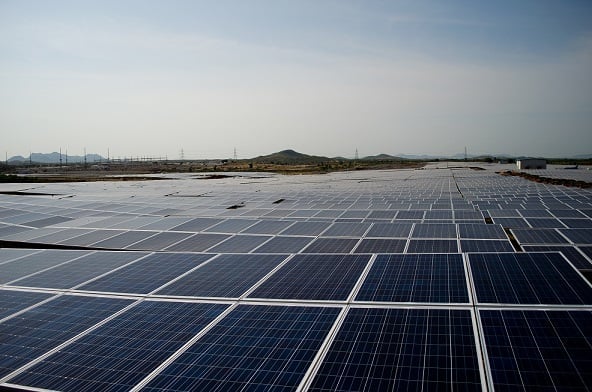
NTPC Green Energy, the renewables arm of state power company NTPC, has commissioned 237.5MW of a 300MW solar project it is building in Rajasthan.
Why it matters: Mega-projects in India dictate global supply chains; if you don't hedge your module procurement now, you'll pay the 'desperation premium' later.
The Scale Trap
Let's be clear: a 300MW plant in the Thar Desert is a vanity metric for the average European installer. While NTPC Green Energy is busy flexing its state-backed muscle to hit massive capacity targets, the operating reality for an installer in Bavaria or Bordeaux is entirely different. You aren't competing for multi-hundred-megawatt utility land-grabs; you’re fighting for grid connection queues and labor availability.
Why You Should Care About the Indian Shift
The real signal here isn't the total capacity, but the rate of commissioning. When state giants like NTPC push these projects through, they hoover up global Tier-1 module inventory and invertor capacity. For a European SME, this creates a 'supply squeeze' scenario. When big players in the APAC region decide to ramp up, freight costs from Shanghai to Rotterdam don't just fluctuate—they spike.
Stop watching the capacity headlines from Rajasthan and start watching the procurement logs of the Gencos. If the big players are locking in N-type TOPCon at scale, that’s your signal to adjust your own inventory strategy before the next Q3 supply crunch hits the EU market.