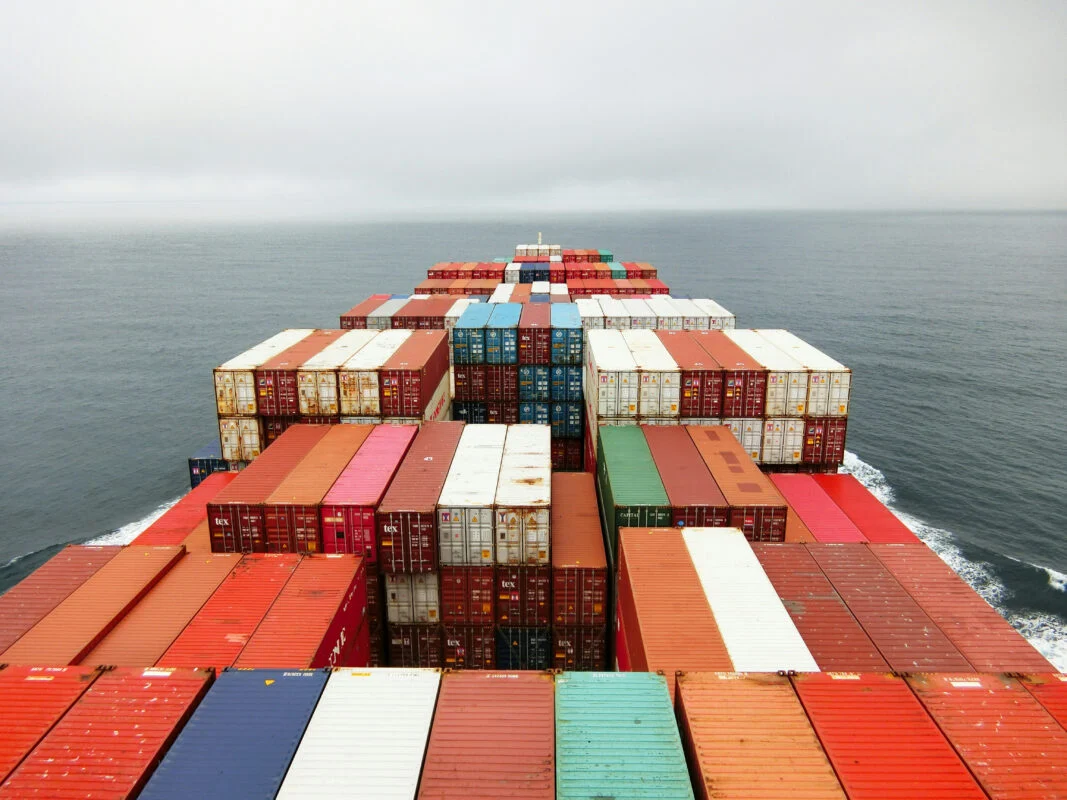
US Customs and Border Protection (CBP) has detained solar modules produced by Vietnam-based solar manufacturer VSUN under the Uyghur Forced Labor Prevention Act (UFLPA).
Why it matters: Detentions aren't just a US problem; they are a sign that global traceability is the new mandatory standard for every EU project.
The Supply Chain Illusion
If you thought the UFLPA was just a US headache, you’ve been living under a rock. When the US Customs and Border Protection (CBP) flags a container of VSUN modules, it isn't just a US$30 million write-down for Fuji Solar’s subsidiary; it’s a warning flare for every procurement officer in Hamburg or Milan. The global PV supply chain is a singular organism—when it bleeds in Savannah, it leaves a scar in Rotterdam.
Why Your Procurement Strategy Is Broken
Many European installers still operate on the 'cheapest tier-one' mentality, assuming that as long as it isn't entering the US, they are safe from trade enforcement. That's naive. We are seeing an increasing convergence between US forced labor standards and the EU’s own Corporate Sustainability Due Diligence Directive (CSDDD). Regulators are looking for the same paper trails.
Stop chasing the lowest spot-market price on P-type or TopCon modules from manufacturers with opaque upstream relationships. The market is shifting toward 'bankable' transparency. If a brand can’t prove exactly where their quartz came from, they aren't a deal—they're a liability. Next time you sit down with a wholesaler, skip the efficiency talk and ask for their supply chain audit report. If they don't have one, walk away.